Fiat wallet vs crypto wallet
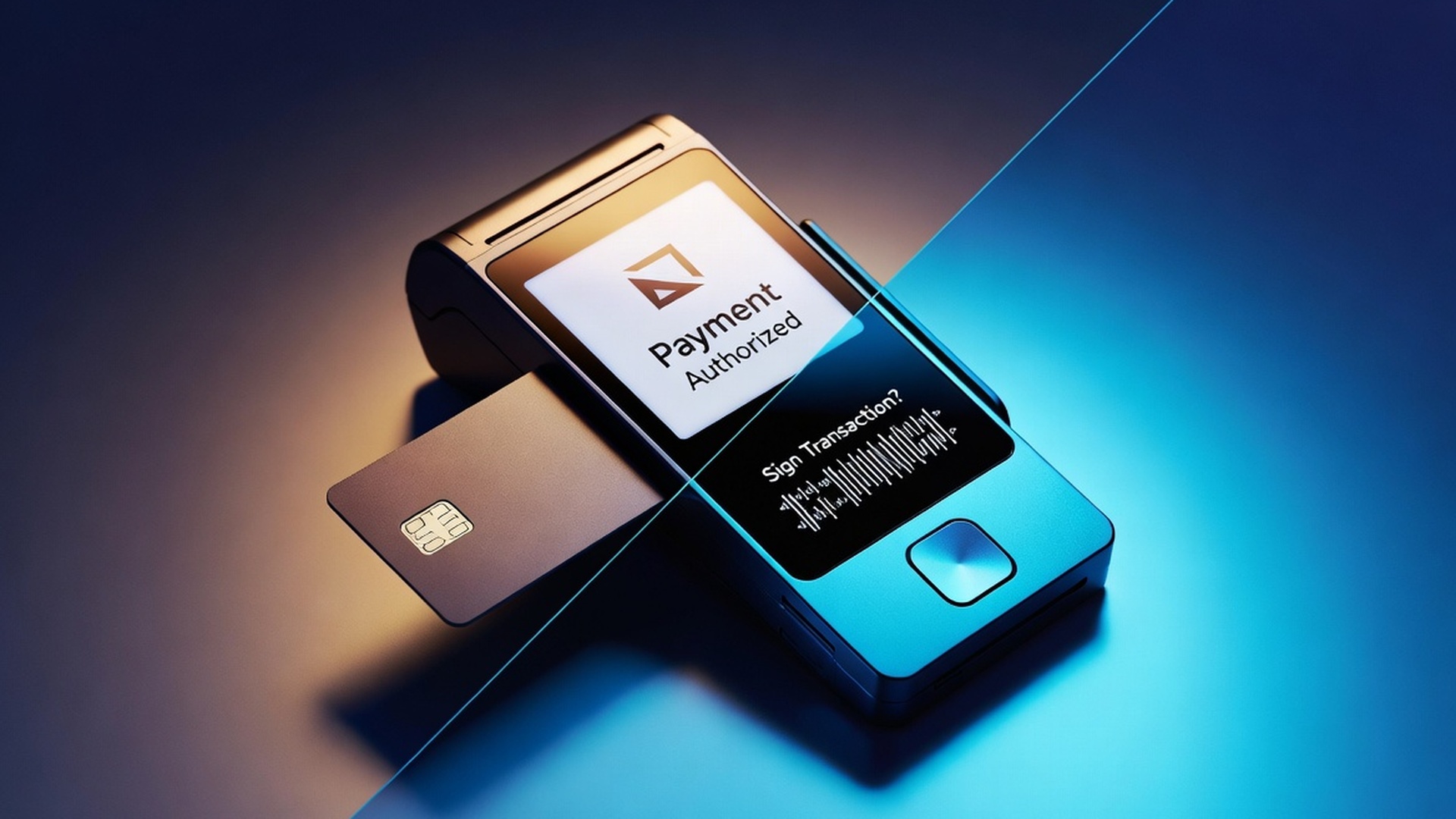
People often use the word “wallet” as if it means the same thing in every financial system. It does not. A wallet for dollars or euros works inside the banking and payments network. A wallet for Bitcoin, Ether, or stablecoins works through blockchains and cryptographic keys. Both can help users send value, receive funds, and check balances, but the mechanics underneath are not the same.
On this page
A banking app, a payment app, and a crypto wallet (or web3 wallet) can all show a balance, a send button, and a transaction history. The overlap mostly ends there. One system depends on banks, payment processors, and account-based finance. The other depends on blockchains, private keys, and transaction signing.
It changes who controls the funds, who can block access, how payments are confirmed, and what happens when something goes wrong. That is why the comparison matters. Choosing between these tools is not only about interface or convenience. It is about how much control you want, how much responsibility you can handle, and what kind of transactions you need to make.
What is a Fiat Wallet
A fiat wallet is a digital wallet used to hold, send, and receive government-issued currencies such as USD, EUR, or GBP. It does not usually store physical cash in any direct sense. Instead, it gives the user access to balances recorded and managed by a bank, payment company, or fintech platform.
In everyday use, a fiat wallet is usually tied to familiar payment rails. Bank transfers, debit cards, credit cards, mobile payment systems, and app-based transfers all sit within this world. If someone uses a banking app, PayPal, Cash App, Revolut, or Apple Pay balance, they are using a form of fiat wallet.
Most people encounter a fiat wallet as part of normal spending. It is used for salaries, subscriptions, utility bills, online shopping, transfers to friends, refunds, and recurring payments. A landlord expects rent in fiat. Employers usually pay in fiat. Grocery stores, transport systems, and service providers are built around fiat payment acceptance. That makes the fiat wallet the default tool for day-to-day financial activity.
A fiat wallet is also designed around account recovery and user support. If a password is forgotten, the platform usually offers a reset flow. If suspicious activity appears, there may be fraud checks, customer support, or regulatory protections. Those features make fiat wallets easier for mass-market users, especially people who do not want to manage security at a technical level.
At the same time, this convenience depends on trusting the institution behind the wallet. The platform can freeze access, block a transfer, request additional identity checks, or restrict certain transactions. In practical terms, a fiat wallet gives access to traditional money, but that access remains tied to the rules of the provider and the wider financial system.
What is a Crypto Wallet
To explain what is a crypto wallet is, it helps to clear up one common misunderstanding first. Crypto assets do not sit inside the wallet the way cash sits inside a leather wallet. The assets remain on the blockchain. What the wallet handles are the keys or credentials that allow the user to control an address and authorize transactions.
Because of that, a crypto wallet works less like a basic account view and more like a control tool. It allows users to sign transactions, prove control over a blockchain address, and interact directly with blockchain networks. Whoever holds the private keys, seed phrase, or equivalent signing authority controls the associated assets.
A crypto wallet can take several forms. Some run as mobile apps, browser extensions, or desktop software. Others come as hardware devices used for signing transactions offline. Some wallets are custodial, meaning a company manages the keys for the user. Others are self-custody wallets, where the user holds the keys directly and does not need permission from a platform to move funds.
In practice, a crypto wallet is also used to send and receive tokens, connect to decentralized applications, sign messages, approve smart contract permissions, swap tokens, and sometimes bridge assets between different networks. In many blockchain systems, the wallet also acts as an identity layer. Instead of creating an account with an email and password, the user signs a message and proves control over an address.
This gives the user much more direct control than a fiat wallet usually does, but that control comes with more responsibility. A lost seed phrase can mean permanent loss of access. A malicious transaction can drain assets if it is approved. In self-custody, there is often no password reset and no central support desk with the power to reverse a mistake.
So when someone asks what a crypto wallet is, the shortest useful answer is this: it is the tool that lets a user control blockchain-based assets through cryptographic authorization rather than through a bank or payment provider.

Crypto Wallet vs Fiat Wallet
The main difference in crypto wallet vs fiat wallet starts with the type of money each one is built to handle. A fiat wallet is made for traditional currencies issued and managed within the banking system. A crypto wallet is made for blockchain-based assets controlled through keys and network rules.
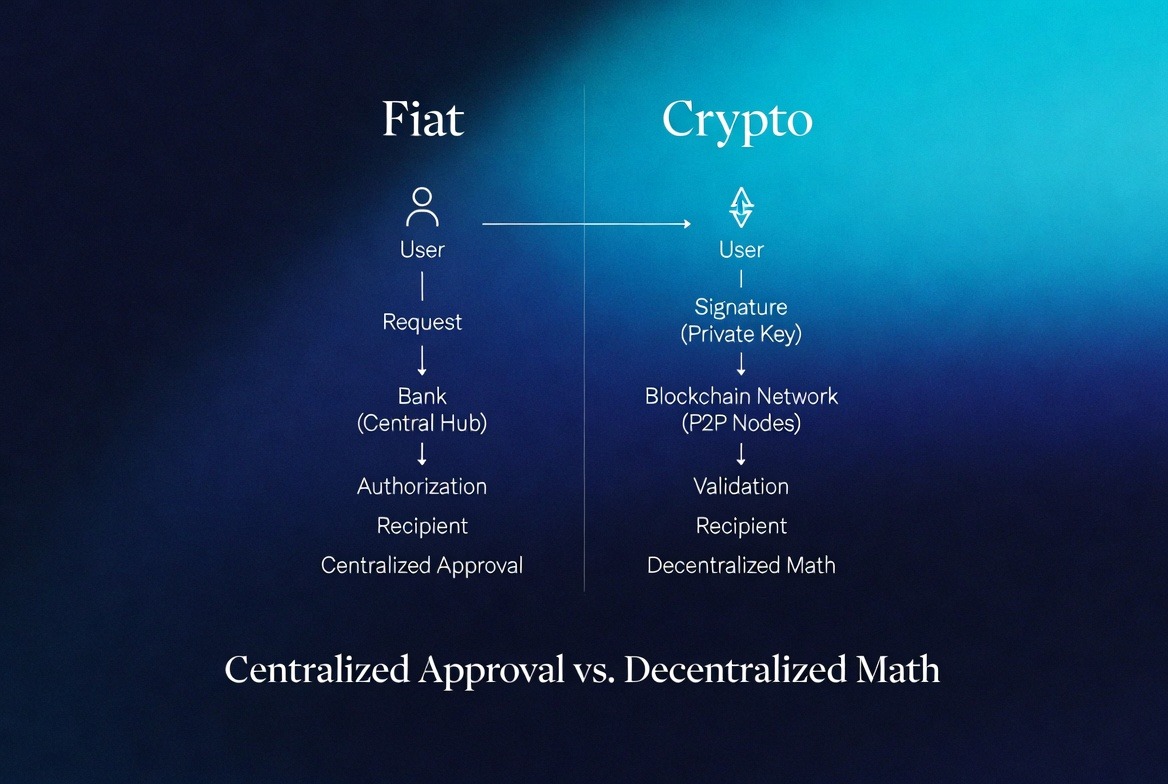
A fiat wallet usually moves money through banks, card networks, or payment processors, while a crypto wallet signs a transaction and sends it to a blockchain network. In the first case, intermediaries verify and settle the transfer. In the second, validators or miners confirm it according to the rules of that chain.
With a fiat wallet, the provider usually keeps final authority over the account. It can suspend access, reverse certain actions, or decline transactions under policy or regulation. With a self-custody crypto wallet, that authority sits with whoever holds the keys. That gives the user more independence, but it also removes many of the safeguards people expect from banks and payment apps.
The difference becomes just as obvious when access is lost. A fiat wallet often includes password resets, support teams, identity verification, and fraud procedures. A crypto wallet may offer none of that in self-custody mode. If the recovery phrase is lost, access may be lost for good. For many ordinary users, that is one of the biggest practical barriers to crypto wallet adoption.

The two wallet types also fit different use cases. A fiat wallet is usually better for payroll, shopping, subscriptions, rent, and normal local payments. A crypto wallet makes more sense for holding digital assets, sending tokens, using DeFi protocols, interacting with smart contracts, or moving value across blockchain networks.
Fees can exist in both systems, but they show up differently. Fiat wallets may involve bank charges, card processing costs, account fees, or foreign exchange spreads. Crypto wallets expose users to network fees, gas costs, swap slippage, and contract-related risks. Neither system is automatically cheaper in every case.
For that reason, crypto wallet vs fiat wallet is not a contest between two versions of the same product. It is a comparison between two financial environments built around different ideas of custody, access, trust, and settlement.
Which is Better?
There is no single winner in the fiat vs crypto wallet comparison because the better choice depends on what the user needs the wallet to do.
A fiat wallet is usually the simpler option for daily life. It works with the currency most people already earn and spend. It is widely accepted, easier to recover, and designed around mainstream financial habits. Someone paying bills, receiving wages, shopping online, or sending a quick transfer to a friend will usually find a fiat wallet more practical.
A crypto wallet becomes more useful when direct control over digital assets matters. It is the right tool for self-custody, token transfers, on-chain payments, decentralized finance, NFT activity, and broader access to blockchain-based services. People who want independence from a bank or platform often prefer a crypto wallet despite the extra responsibility.
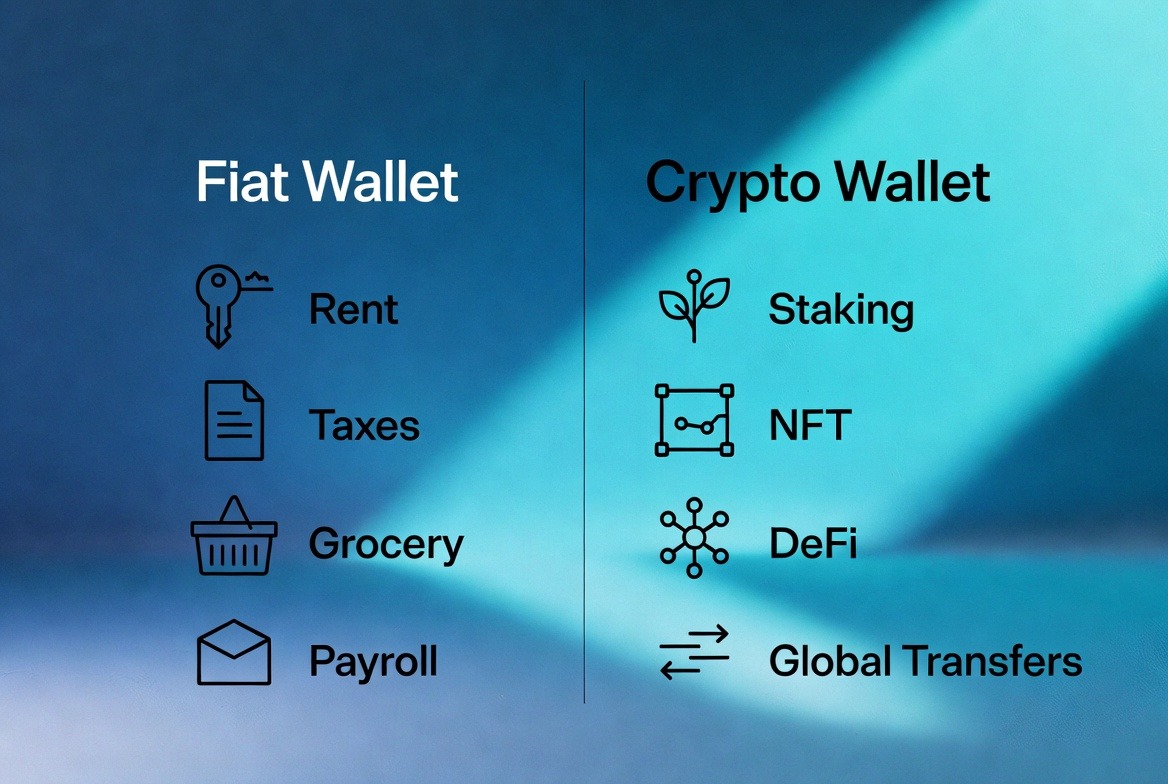
In practice, plenty of people use both, because the two wallets solve different problems. One covers normal spending and local payments. The other covers blockchain assets and on-chain activity. That split already reflects how modern finance works for many users: traditional money for everyday life, digital assets for more specialized use cases.
Someone who values convenience, customer support, and broad acceptance will usually lean toward fiat, while someone who values control and direct access to blockchain networks may prefer crypto. Seen that way, the choice is less about which wallet is universally better and more about which one matches the job.
A fiat wallet reduces friction. A crypto wallet expands control. The right answer depends on how you use money, what systems you trust, and how much responsibility you are willing to take on yourself.
Articles by this author