PIMCO: Iran conflict could force Fed to raise rates
PIMCO says the US-Iran war and a Strait of Hormuz closure have lifted US inflation and could push the Federal Reserve to raise interest rates rather than cut them.
Pacific Investment Management Company (PIMCO) said rising inflation linked to the US-Iran conflict and the closure of the Strait of Hormuz may force the Federal Reserve to raise interest rates instead of cutting them. The firm cited higher energy costs and a pickup in inflation expectations as factors that increase the risk of reversing planned rate reductions.
Dan Ivascyn, chief investment officer at PIMCO, said the Strait of Hormuz shutdown has added to persistent challenges for US policymakers trying to reach the Fed’s 2% inflation goal. He warned that cutting borrowing costs now “would be counter-productive given the inflation dynamic and the uncertainty around inflation expectations,” and that lowering short-term rates while inflation remains uncertain could raise intermediate and long-term borrowing costs.
Jenny Johnson, chief executive of Franklin Templeton, echoed concerns about the timing of rate cuts, saying, “It’s going to be difficult for the Fed to cut.”
Market forecasts have shifted in response. Goldman Sachs has delayed its projections for the next two Federal Reserve cuts to December 2026 and March 2027, citing an expected passthrough of energy costs that would keep the Fed’s preferred inflation gauge, core Personal Consumption Expenditures (PCE), near 3% through 2026.
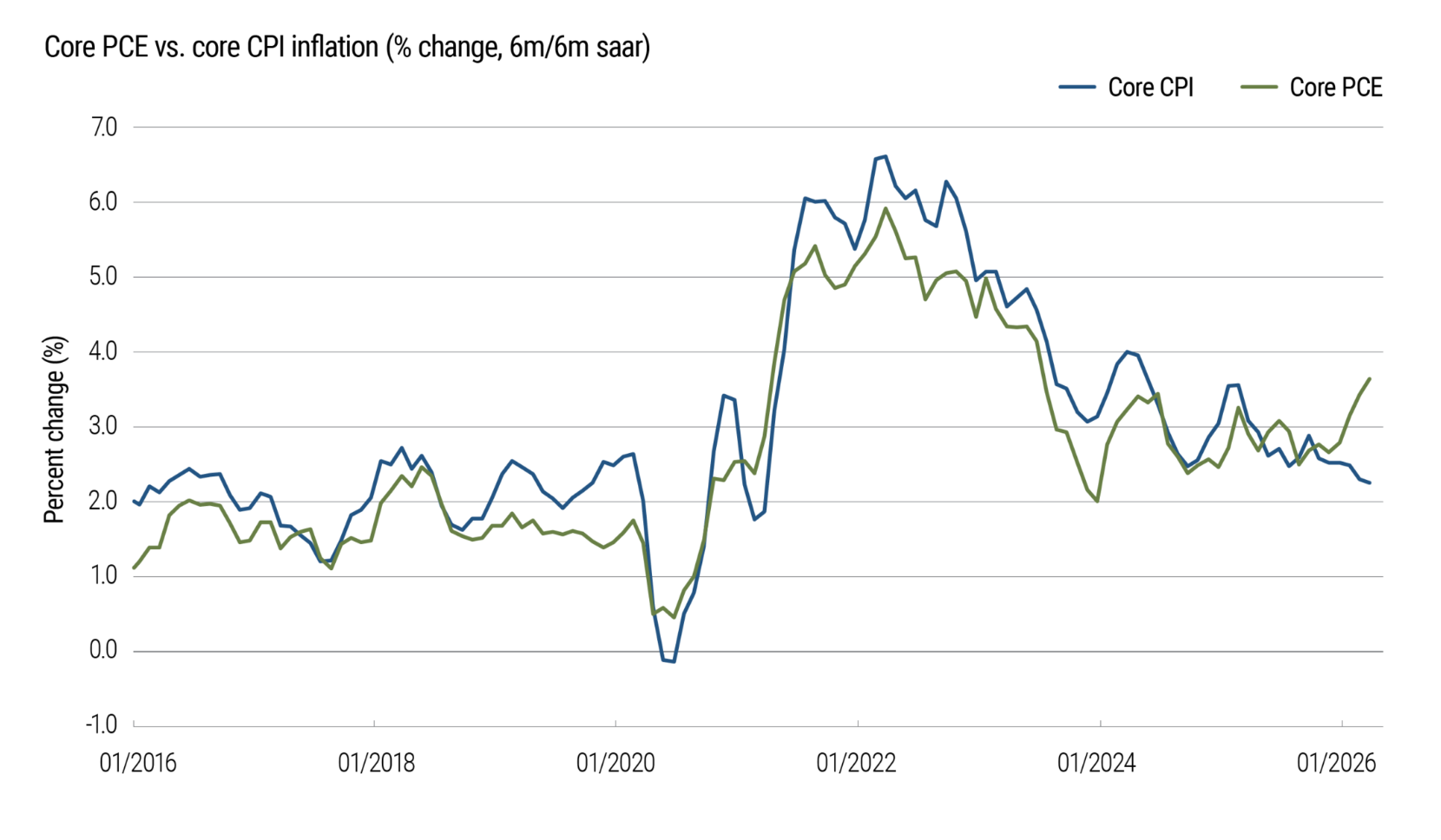
The Fed has kept its benchmark policy rate at 3.50% to 3.75% since January 2026, after three cuts in 2025. Recent data show consumer prices rose 0.9% in March from the prior month, lifting the annual consumer inflation rate to 3.3%. Core PCE increased to 3.5%, the highest level in nearly three years.
Analysts say a higher-for-longer rate path affects asset valuations. Sustained tighter policy tends to reduce prices for riskier assets, including equities and cryptocurrencies, and a stronger dollar linked to a hawkish rate outlook can weigh on crypto markets. Bitcoin briefly rose above $80,000 in early May after tensions eased, but strategists note a hawkish stance at the June Federal Open Market Committee meeting could limit further gains.
PIMCO and other institutions are revising rate and asset-price forecasts to account for the larger chance that central banks will delay easing or tighten again if inflation does not move closer to targets.
Articles by this author