Iran War boosts U.S. household fuel costs by $287
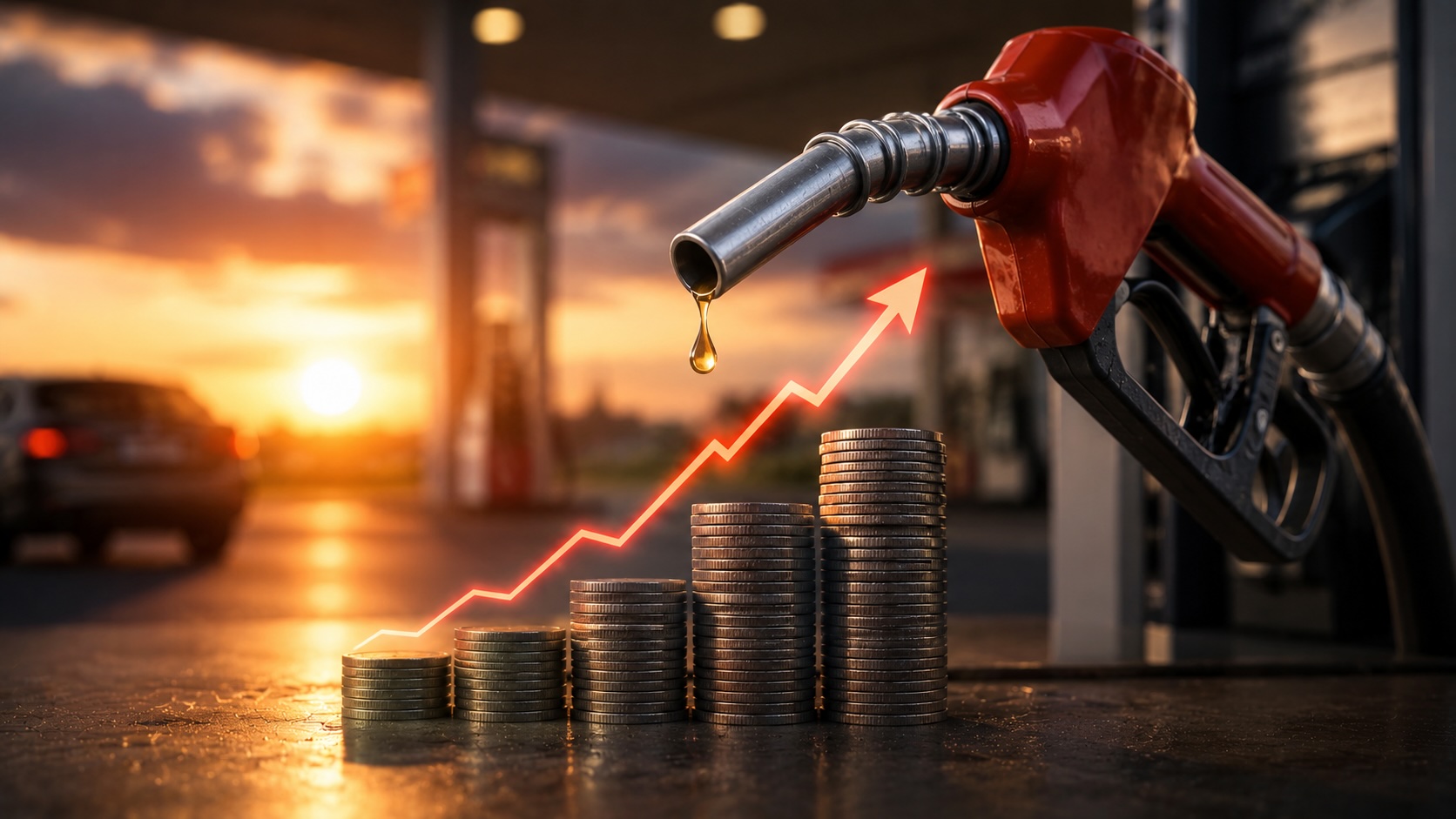
Brown University’s tracker says the Iran war added $37.6 billion to U.S. gasoline and diesel costs since Feb. 28, about $287 per household and an average $4.52 a gallon.
Since Feb. 28, Brown University’s Iran War Energy Cost Tracker estimates U.S. consumers have paid $37.6 billion more for gasoline and diesel. That equals roughly $287 per household and a national average gasoline price of $4.52 a gallon, the tracker reports.
The tracker is maintained by Jeff Colgan, director of the Climate Solutions Lab at Brown’s Watson School of International and Public Affairs. It calculates the added cost by comparing actual fuel prices reported by the American Automobile Association with a modeled counterfactual that estimates what prices would have been without the conflict.
Brown’s model shows the $4.52 average is 51.6% higher than the prewar level of $2.98 a gallon over 72 days. The difference between observed and counterfactual prices produces the $37.6 billion figure, which the tracker updates as market conditions change.
“Fuel costs are just one part of a war’s consequences, but they come directly out of Americans’ pockets. These costs are rising every day,” the tracker states.
Colgan, who leads the tracker, described the added expense as a burden on consumers.
The conflict has raised costs for businesses. U.S. airlines spent $5.06 billion on jet fuel in March, a 56% increase from February. Analysts attribute part of the supply tightening to the effective closure of the Strait of Hormuz, a transit route for nearly 20% of global energy shipments.
Input costs for U.S. food and beverage companies rose 7.9% year over year in March, the largest increase recorded in at least a year.
A Generation Lab survey found 77% of Americans believed the strikes against Iran were the wrong choice.
The Brown tracker continues to publish a running total of added fuel costs using recent price data and its counterfactual model.
Articles by this author