
U.S. April CPI tops forecast, weakens Fed cut odds
U.S. consumer prices rose 3.8% year-over-year in April and core CPI rose 2.8%, both above forecasts, reducing odds of an early Fed rate cut and spurring volatility in Bitcoin and risk assets.
The Bureau of Labor Statistics reported April consumer prices rose 3.8% year-over-year and 0.6% month-over-month. Core CPI, which excludes food and energy, increased 2.8% year-over-year and 0.4% month-over-month. Both readings came in slightly above economists’ forecasts.
Several major banks had warned markets to expect an elevated print as gasoline prices rose and shelter costs remained high. Analysts had identified energy and housing-related costs as the main contributors to April’s upside surprise.
Before the release, the CME FedWatch tool showed about a 97.6% probability that the Federal Reserve would leave interest rates unchanged at its June meeting. Market-implied odds for near-term rate cuts fell after the hotter-than-expected CPI readings, and traders adjusted expectations for the timing of future easing.
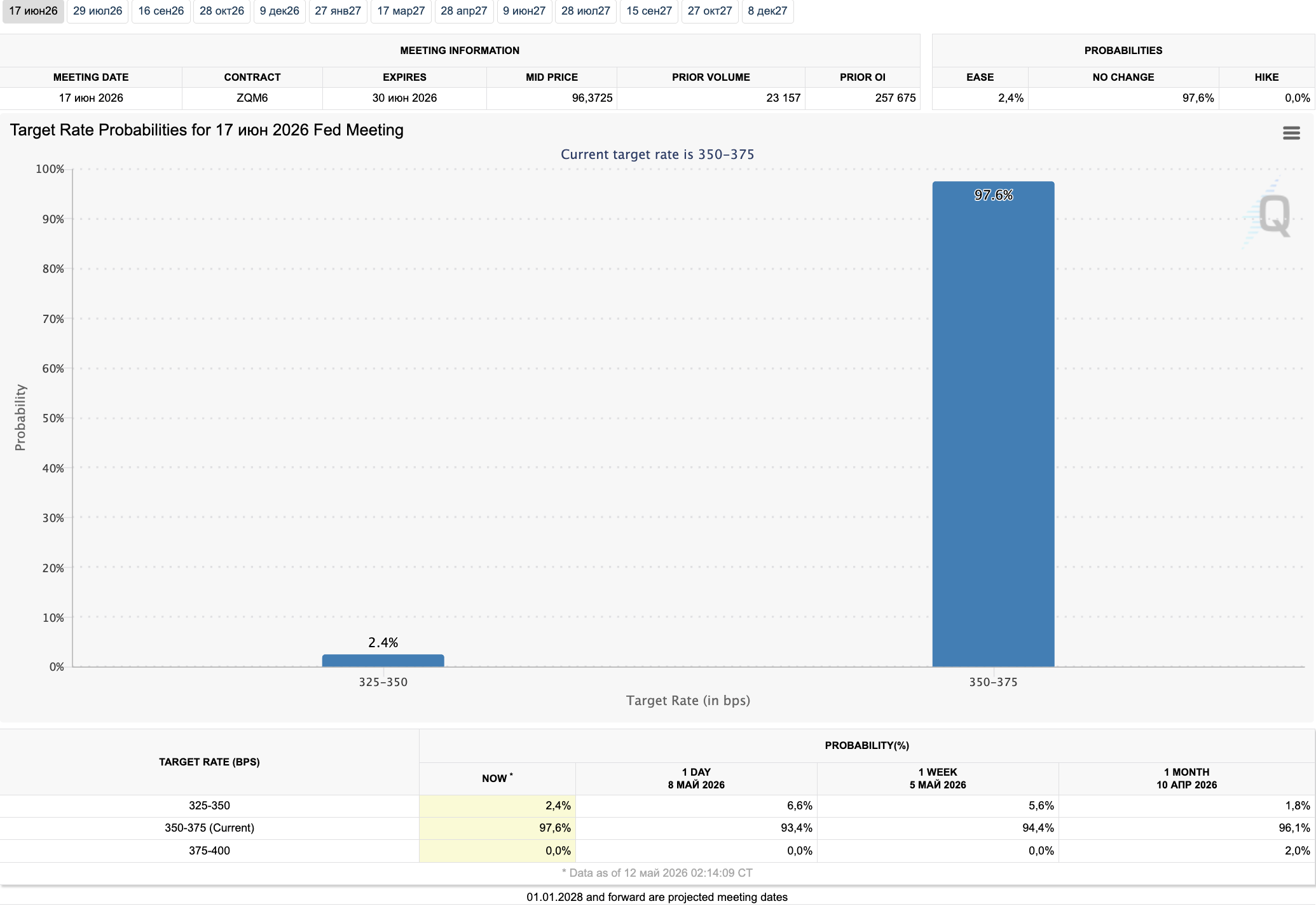
Financial markets reacted quickly. Treasury yields moved in the minutes after the report and traders reduced bets on rapid monetary easing. Bitcoin and other risk-sensitive assets swung as traders reassessed positions; market participants monitored whether Bitcoin could hold support above $80,000.
Core inflation’s rise signals persistent price pressures outside volatile energy and food categories. Shelter, a component of core CPI that changes slowly, continued to push core inflation higher in April. Analysts noted gasoline and housing were the largest upward contributors to the headline number.
Investors and policymakers will now look to upcoming data and commentary for further information. Producer Price Index figures, statements from Federal Reserve officials and price moves in the Treasury market are expected to be watched for additional signals about the outlook for inflation and interest rates.
The April CPI report provides fresh data points for markets and for Federal Reserve officials as they evaluate the pace and timing of future policy moves.
Articles by this author









