April US CPI may jump as oil rises on U.S.-Iran clash
April US consumer inflation likely to rise as oil surges amid U.S.-Iran conflict; monthly CPI forecast +0.6% and annual rate near 3.7%.
The U.S. Bureau of Labor Statistics will publish the April Consumer Price Index on Tuesday, with economists expecting headline inflation to rise about 0.6% month‑over‑month and the annual rate to near 3.7%. Core CPI, excluding food and energy, is forecast around 0.4% monthly and roughly 2.7% year‑over‑year.
Analysts point to higher oil prices tied to the U.S.-Iran conflict as the main factor behind the expected increase. From Feb. 28 through the end of April, West Texas Intermediate crude climbed more than 50%. Prices pulled back in early May but remained about 40% above pre-conflict levels.
March’s CPI surged 0.9% month‑to‑month. Deutsche Bank economist Jim Reid projects headline inflation will rise about 0.58% month‑on‑month and core inflation around 0.39% month‑on‑month, with year‑on‑year rates moving to roughly 3.8% and 2.8%, respectively.
Federal Reserve officials have highlighted risks from a prolonged disruption to shipping through the Strait of Hormuz. Minneapolis Fed President Neel Kashkari warned such a disruption could lift inflation expectations and require a strong policy response. St. Louis Fed President Alberto Musalem noted inflation remains above the Fed’s target and urged monitoring of underlying trends and shocks from tariffs and oil.
Markets are pricing the report into expectations for interest rates. The CME FedWatch Tool shows about a 73% probability the Fed will keep the policy rate at 3.5%–3.75% by year‑end and roughly a 20% chance of a 25 basis‑point hike. A stronger-than-expected core print would likely push investors toward higher rate odds and support the dollar; a softer core reading could reduce near‑term pressure on policy, although ongoing Middle East tensions may limit any sustained dollar weakness.
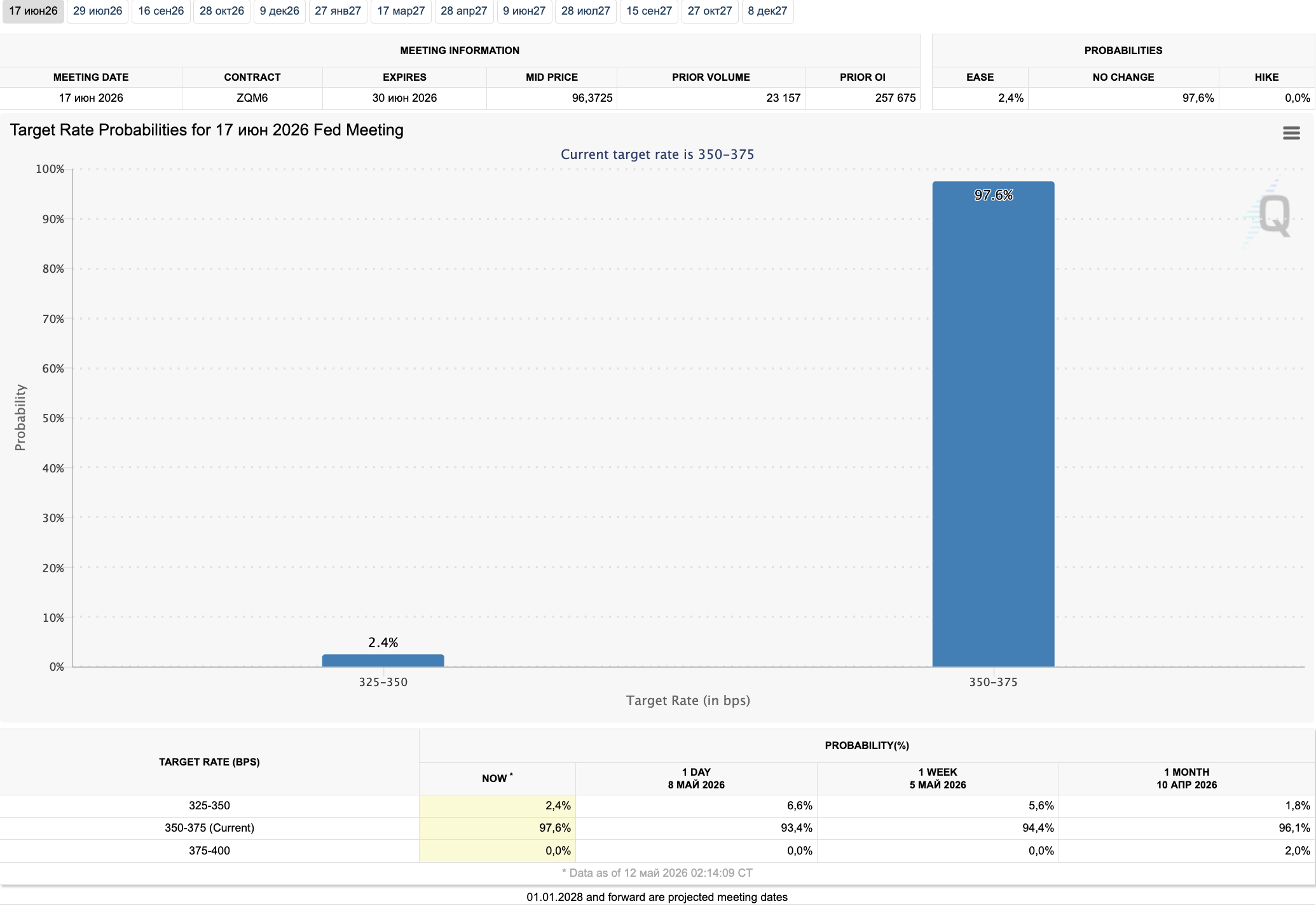
Alvin Liew of UOB cautioned that a broader oil-driven spillover into other prices could delay the first expected rate cut and potentially push easing into 2027.
FX technical analysis from Eren Sengezer shows EUR/USD with mild bullish bias but limited momentum. He identifies resistance at 1.1800–1.1820, a next upside around 1.1900–1.1910 and psychological resistance at 1.2000. Support is seen at 1.1730–1.1680, with lower levels near 1.1660 and 1.1560.
Market participants will watch the April core CPI for evidence that higher fuel costs are spilling over into rents, services and wages. The report is expected to influence short‑term expectations for interest rates and trading across bonds, equities and currencies.
Articles by this author