MSPs run agentic AI to cut costs, boost margins
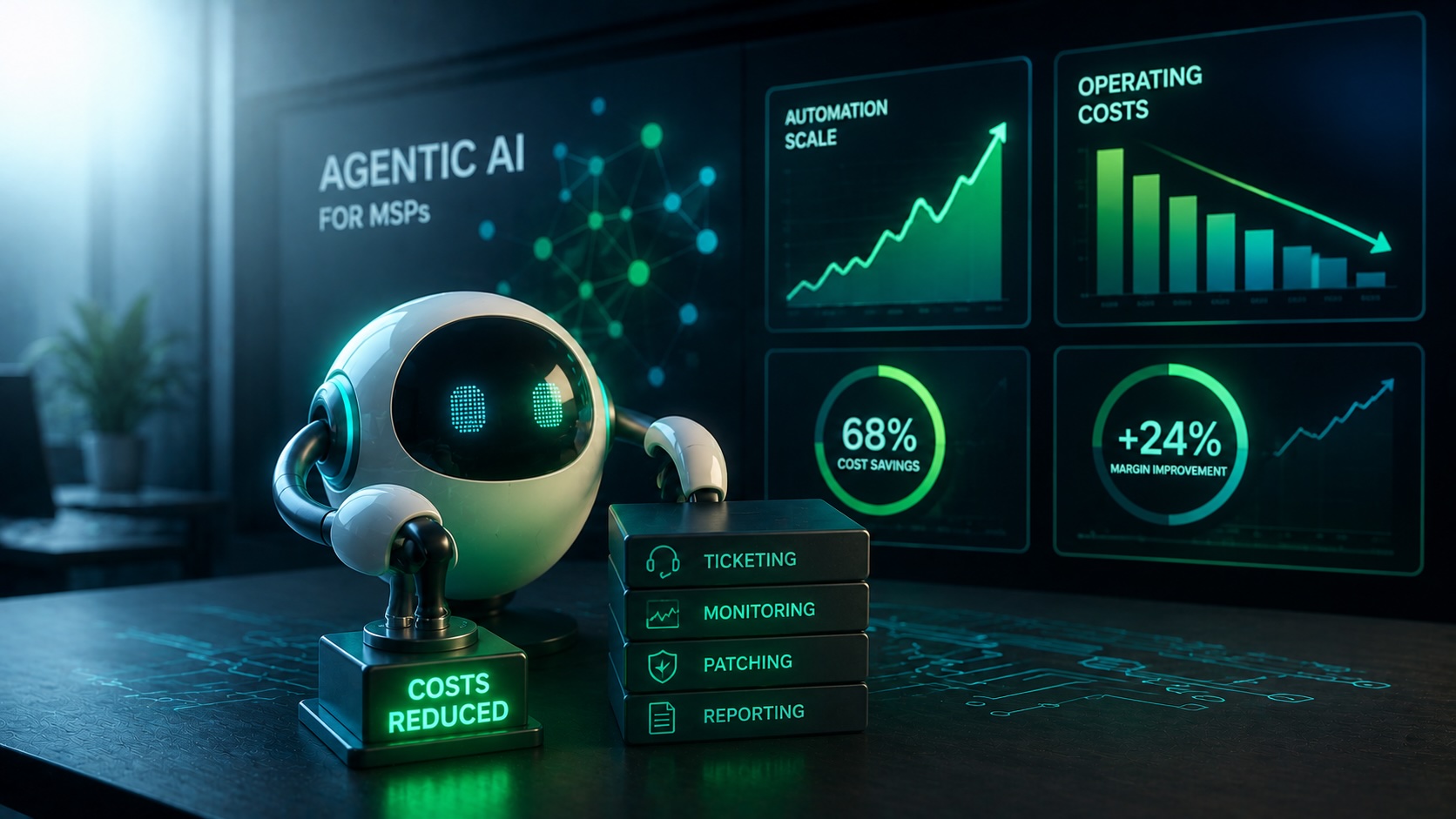
MSPs are shifting from reselling AI licenses to running agentic AI in service desks and NOCs to lower cost-to-serve and raise margins.
Managed service providers are moving from reselling AI licenses to operating agentic AI inside service desks and network operations centers. They are embedding autonomous agents into ticketing, remote monitoring and remediation workflows to handle routine work, improve response times and enable outcome-based pricing.
Gartner forecasts global IT spending will reach $6.15 trillion in 2026, driven largely by demand for AI infrastructure. Gartner analyst John‑David Lovelock noted demand from hyperscale cloud providers is driving investment in servers optimized for AI workloads, while much of the direct license revenue is captured by hyperscalers and major SaaS vendors. Channel partners continue to handle integration and day-to-day management on thin margins.
Agentic systems differ from basic chatbots by taking actions, orchestrating workflows and self-correcting across service desks, NOC and Remote Monitoring and Management platforms. Early deployments automate triage, run remediation playbooks and execute routine changes without human intervention, freeing engineers to focus on complex incidents.
McKinsey found AI-enabled customer service programs typically reduce service interactions by 40% to 50% and lower cost-to-serve by more than 20%. Vendors report virtual agents resolving as much as 65% of initial contacts, which deflects large volumes of Tier 1 tickets and shifts junior staff toward root-cause analysis and exception handling.
Modern NOC tools can detect anomalies earlier, pre-empt incidents and trigger self-healing steps such as automatic server restarts, configuration drift corrections and patch rollouts before customers notice. These capabilities let smaller teams provide 24/7 coverage while maintaining human oversight for critical incidents.
Operating agentic AI reduces cost-per-ticket and increases the number of endpoints a single engineer can support. Analysts report MSPs are packaging AI-enabled services as outcome-based offerings tied to uptime guarantees, mean time to resolution and security outcomes rather than hourly rates or task-based billing.
MSPs are advised to apply automation internally first. AI systems require clean data and formal standard operating procedures to operate reliably, so ticketing, documentation and finance processes should be tightened before client-facing rollouts. Once mature, internal tools can be repackaged as AI-assisted help desks, self-healing networks and continuous compliance monitoring.
Risks include hallucinations, misrouted tickets and the perception that customers have been abandoned to a machine. Human engineers remain necessary for complex edge cases and major outages. Forrester principal analyst Julie Mohr cautioned: “The AI-centric service desk blueprint is sound, but successful execution requires patience, investment, and realistic expectations.”
The channel is splitting between automation-first MSPs scaling with agentic systems and labor-heavy providers that stick to traditional ticket-driven models.
Tags
Articles by this author