Firms cut AI, shift workloads as energy costs climb

Companies are trimming AI and cloud spending, repatriating workloads and using FinOps to schedule compute as energy prices and grid limits raise operating costs.
Companies are reducing AI and cloud spending, moving some workloads back on site and adopting FinOps tools to schedule compute as rising energy costs and local grid limits increase the cost of training and running models.
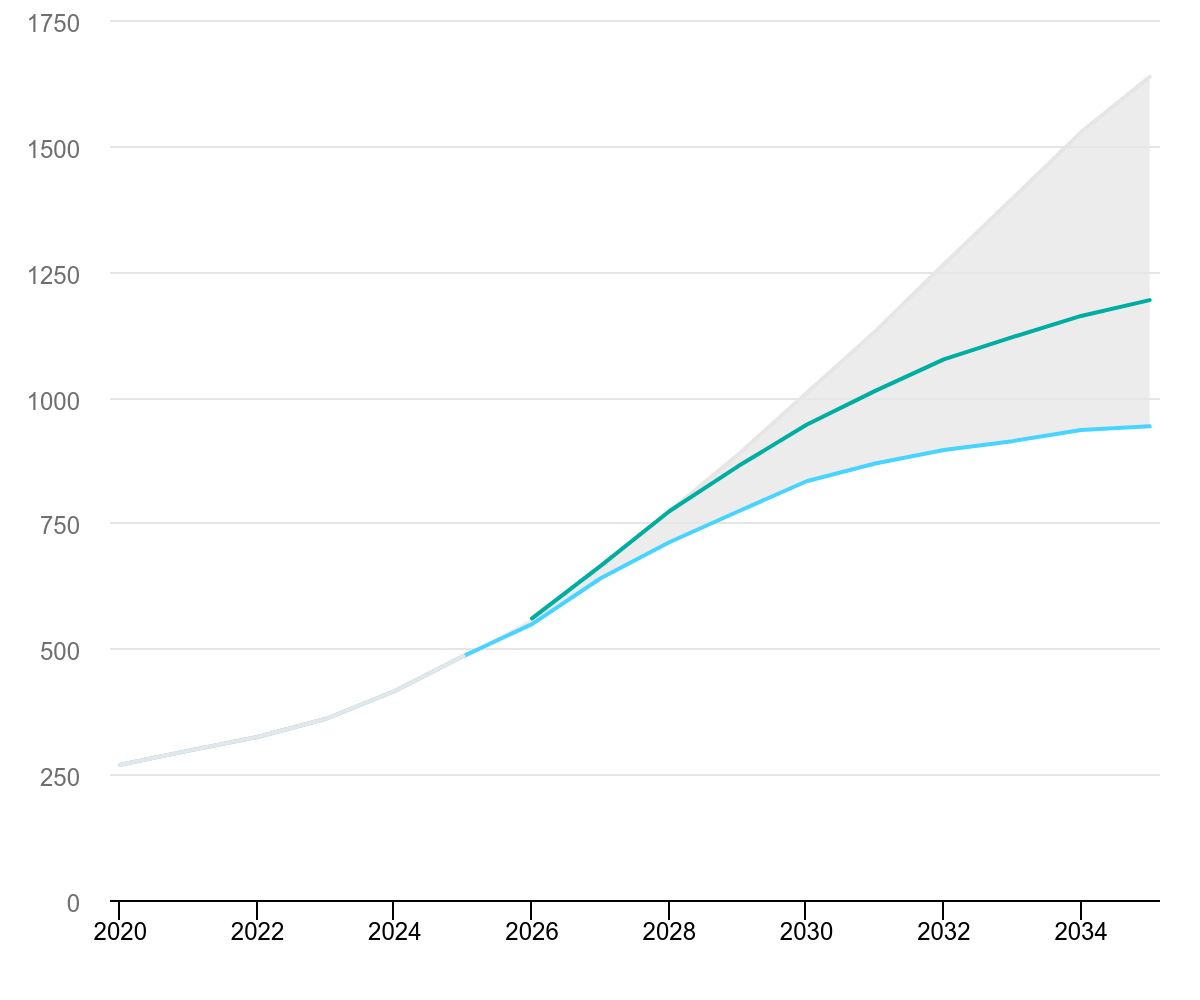
Higher international oil and gas prices tied to geopolitical conflict have pushed up electricity costs for firms that run AI on premise. Cloud customers face separate risks from sudden price changes, license updates and growing storage and egress fees that increase monthly bills.
Some enterprises have repatriated workloads to control cloud costs and licensing fees. On-premise systems expose firms to volatile energy prices and capacity constraints, prompting IT and finance teams to review where and when compute runs.
FinOps brings financial accountability to cloud and compute usage by tracking detailed consumption data, often on an hourly basis. Greg Holmes, EMEA field CTO at Apptio, said, “Many firms do not know the true cost per AI query even when they understand their overall cloud bill. They may blow through a yearly budget in a few months without granular visibility.”
FinOps platforms can generate alerts on rapid consumption changes and expose cost data through APIs so developers see costs in real time and adjust workloads. Holmes added that some energy suppliers offer low-cost or even negative-priced power at times of high availability, and scheduling flexible workloads for those windows can reduce expenses.
National grid concerns are affecting data center approvals. Denmark suspended approvals for additional generative AI data centers after requests for about 60 gigawatts of capacity in a country with roughly 7 gigawatts of peak demand; roughly 14 gigawatts of the requests were for AI data centers. In the UK, regulators and grid operators are revising how they prioritize electricity access for data centers to limit speculative projects that could strain supply.
Enterprises are also shifting workloads to cheaper cloud regions, committing to different pricing tiers and moving nonurgent tasks to off-peak hours. Analysts say volatile energy markets, fast-growing AI compute demand and complex cloud pricing will keep cost management a focus for CIOs and finance teams.
Tags
Articles by this author