Lloyds: Football ticket scams up 36%; crypto fan tokens risky
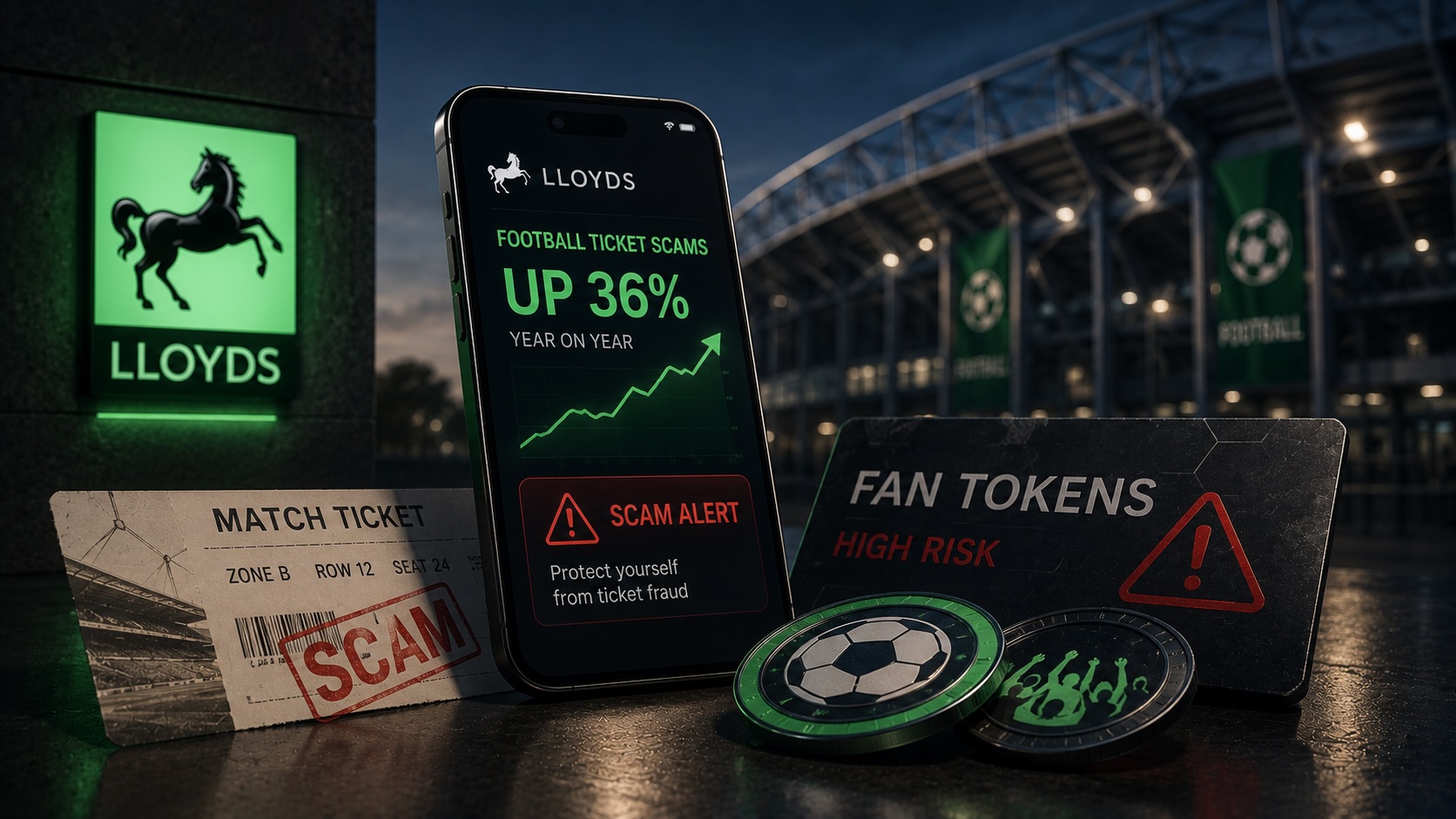
Lloyds Banking Group reports a 36% rise in Premier League ticket scams this season, average victim loss £215, and warns of crypto fan token fraud ahead of the 2026 World Cup.
Lloyds Banking Group reported a 36% increase in reported football ticket scams during the current Premier League season, with an average loss of £215 per victim. Total losses from ticket scams rose 42% compared with the same six months a year earlier, and football accounted for 32% of all ticket fraud the bank tracked.
The bank described common fraud patterns: fake ticket listings on social media, requests to move conversations to private messaging apps such as WhatsApp, demands for bank transfers and then the seller disappearing. Scammers also use counterfeit QR codes, fake waiting lists and bogus pre-release offers to persuade buyers to pay before a ticket is verified.
FIFA pricing and strong demand for the 2026 tournament add to the risk. Top Category 1 seats for the July 19 final at MetLife Stadium were listed at $32,970, about three times the previous high of $10,990. FIFA received more than 500 million ticket requests for the tournament, far above the combined demand for the 2018 and 2022 World Cups, creating scarcity for legitimate tickets.
Lloyds and law enforcement have flagged a rise in crypto-themed fraud tied to the tournament. Fan tokens linked to national teams are often sold on platforms outside UK and US consumer protections. These tokens have underperformed during past competitions and can be copied by rug-pull projects that vanish with investor funds. Investigators have previously identified imitation tokens that drained funds through hidden swap taxes, including projects referencing the World Cup.
A House of Commons committee concluded that promoting fan tokens to supporters can put fans at financial risk and may harm club reputations. Authorities advise fans to verify ticket sources through FIFA’s official resale marketplace, treat unsolicited offers as red flags, avoid bank transfers without confirmed ticket authentication, be wary of sellers who insist on private messaging apps, and avoid token launches that capitalize on tournament hype without regulated issuers.
The tournament’s opening match is about a month away. Lloyds plans to continue monitoring scam reports and the impact of awareness campaigns intended to reduce fraud losses.
Tags
Articles by this author