Scams target World Cup 2026 fans with fake tickets and crypto
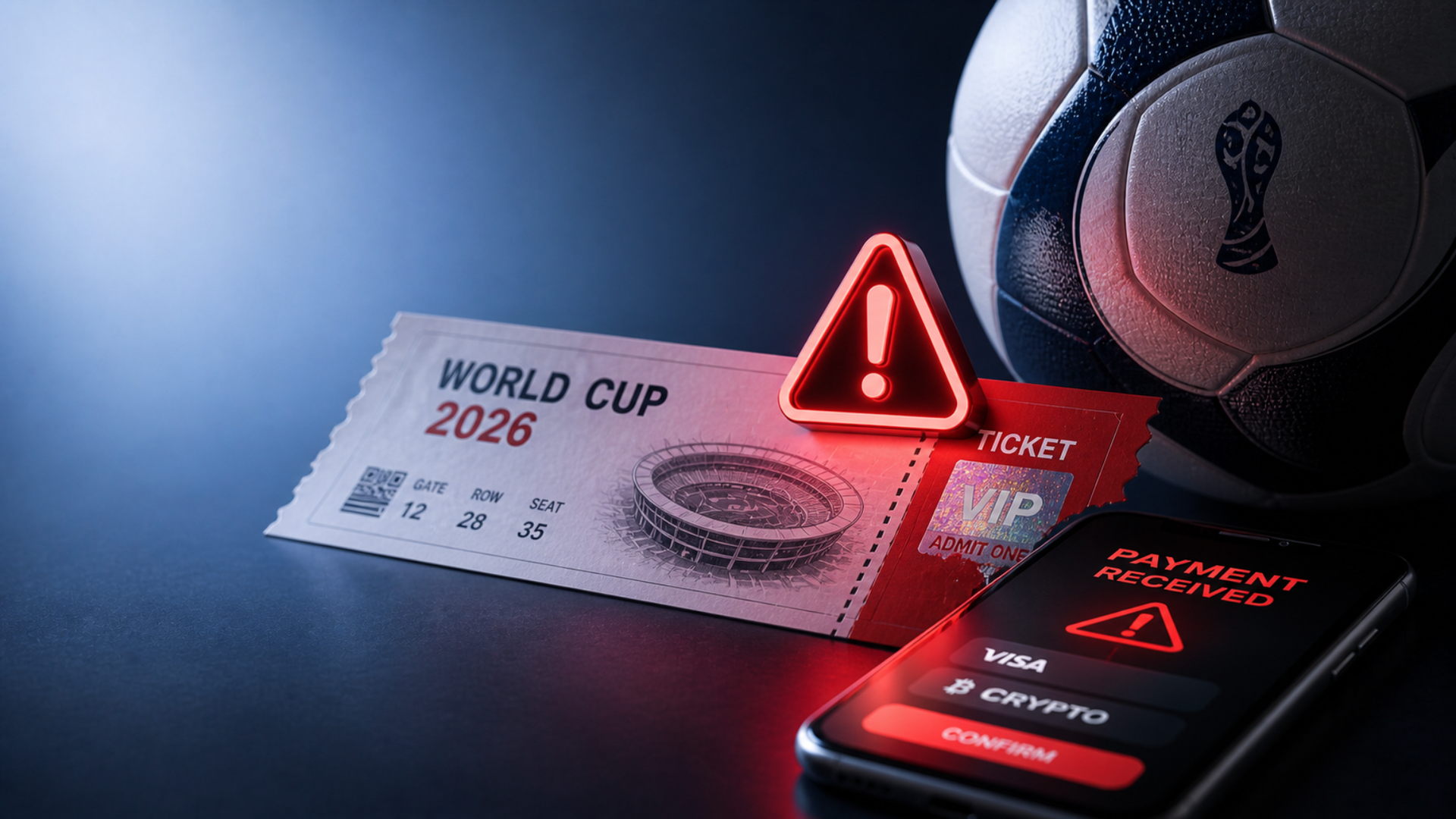
Hundreds of scam sites are targeting World Cup 2026 fans with fake tickets, visa services, counterfeit merchandise and crypto offers before the June 11 kickoff in the U.S., Canada and Mexico.
Hundreds of scam websites have appeared ahead of the FIFA World Cup 2026 kickoff on June 11, targeting fans in the United States, Canada and Mexico with fake tickets, visa services, counterfeit merchandise and cryptocurrency offers. Many of the pages borrow official tournament branding, use countdown timers, advertise steep discounts and label themselves as “official” without verifiable links to the brands they claim to represent.
Security researchers found that many visitors reach these sites after searching on engines or social media or clicking paid ads. The researchers reported that ad networks and redirect chains often send users to domains different from the links they clicked. Destination pages reproduce familiar logos, display fabricated testimonials and use urgency messages such as ‘Only a few items left’ to encourage quick purchases.
Scam sites fall into four main categories. In the crypto category, operators create tokens that claim or imply official ties to the World Cup, display tournament mascots and promise airdrops or special token supplies tied to the event. Researchers reviewed multiple token projects and found none are part of FIFA’s documented digital ecosystem, which includes FIFA Collect NFTs, ticket NFTs and licensed games on FIFA-controlled domains. Some token projects may deliver nothing, function as speculative pump-and-dump schemes, or require signed transactions that grant an operator access to a user’s crypto wallet.
Travel-related scams include sites advertising a dedicated “World Cup visa” or paid services that promise guaranteed entry. The U.S. Department of State has confirmed there is no tournament-specific visa. Visitors must use the standard B1/B2 visitor visa or the Visa Waiver Program with an ESTA authorization. FIFA PASS is a routing tool that helps ticket holders schedule consular appointments; it is not a visa, it does not bypass interviews, and it does not require a private fee. Forms that request passport numbers, birth dates and payment information can be used for identity theft.
Merchandise fraud imitates real licensees. LEGO announced licensed World Cup sets and Panini runs official sticker commerce; scammers set up storefronts offering those products at implausibly low prices. Researchers observed storefronts pricing a licensed LEGO trophy set at large discounts, quiz funnels that harvest contact information and push subscription billing disguised as shipping fees, and look-alike Panini pages using local tax identifiers and short countdowns to create artificial scarcity. Counterfeit jersey sites also advertised shirts at deeply reduced prices.
Prediction and prize-pool sites ask users to pay for entries tied to tournament outcomes and display growing prize pools. These platforms often lack visible licensing, responsible-gambling tools or verifiable payout guarantees, while regulated sportsbooks typically list licensing details and use verified payment processors.
If consumers suspect they have been defrauded, recommended steps include contacting card issuers to dispute charges, monitoring credit reports and placing fraud alerts after sharing personal data, and revoking crypto-wallet permissions if a wallet was connected. Buyers of undelivered goods should keep order confirmations and payment records and report incidents to national consumer protection agencies such as the U.S. Federal Trade Commission. Official sources for tickets and products include FIFA.com for tickets, paninistore.com or paniniamerica.net for Panini products, LEGO.com for LEGO Editions sets, and government sites ending in .gov, .gc.ca or .gob.mx for visa information.
Researchers noted that many scam pages are quick to appear and disappear and often use AI-generated copy and images. They recommended publishing single canonical lists of authorized retailers for licensed brands and that ad platforms work to block visa-impersonation and fake-token ads at scale. Consumers are advised to verify that domains and sellers are officially affiliated before making purchases.
Tags
Articles by this author