Continuous authentication thwarts credential theft
Systems score user behavior and force reauthentication on anomalies after 2025 infostealers harvested about 3 billion credentials and cloud tokens.
Continuous authentication tools calculate a live confidence score for an active user and request reauthentication when behavior or device signals fall below a set threshold. The approach has gained attention after 2025 infostealers infected more than 11.1 million devices and contributed to the harvesting of about 3 billion credentials and cloud tokens.
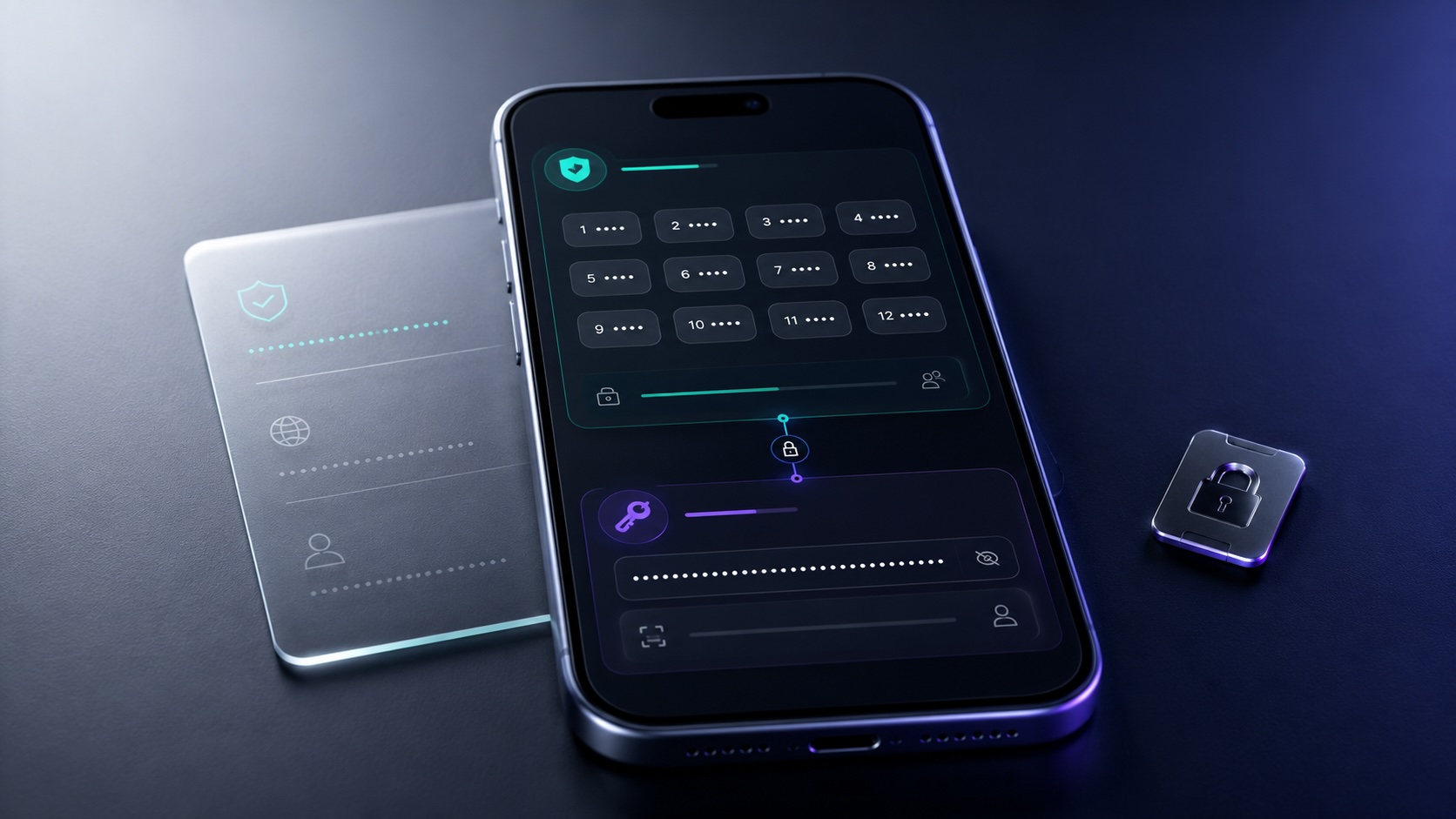
The software runs inside applications or on endpoints and monitors signals such as device location, recent user activity, typing speed and blink rate. When the computed confidence score drops below a preset level, the system can require a fingerprint, a temporary access code or other verification. If the user cannot authenticate, access is revoked and the session can be ended.
Some organizations combine continuous authentication with just-in-time (JIT) access, granting privileges only when needed and for a limited period. JIT narrows the time window in which stolen credentials or tokens can be used, reducing the amount of standing access available to any single account.
Threat intelligence feeds are often added to continuous authentication systems to supply lists of known compromised credentials and emerging attack patterns. Integrating those feeds provides contextual signals that can trigger faster checks or automated responses when a login matches a known risk indicator.
U.S. and international standards recommend related steps. The National Institute of Standards and Technology advises screening passwords against lists of known compromised and commonly used credentials and taking automated actions, including forcing password resets when matches appear. Continuous authentication provides ongoing checks that can support those recommendations and can terminate sessions when active behavior deviates from expected patterns, which can limit exposure of sensitive data.
Adoption of continuous authentication varies across industries and company sizes. Enterprises with complex hybrid cloud environments and legacy identity systems report more implementation challenges and integration costs. Mark Hughes, global managing partner of cybersecurity services at IBM, wrote in a 2025 threat report: “Cyber criminals are most often breaking in without breaking anything — capitalizing on identity gaps overflowing from complex hybrid cloud environments that offer attackers multiple access points. Businesses need to shift away from an ad-hoc prevention mindset and focus on proactive measures such as modernizing authentication management, plugging multi-factor authentication holes and conducting real-time threat hunting to uncover hidden threats before they expose sensitive data.”
Vendors offer different technical approaches: some systems sample scores at regular intervals, others trigger checks during high-risk actions such as data downloads or privilege escalations. Many deployments use graduated challenges that present low-friction checks first and escalate only if anomalies persist, to balance user convenience with security.
Security teams cite a rise in large credential dumps and the sale of batches of AI chatbot credentials on the dark web as drivers for adopting continuous checks. Teams that combine continuous authentication with threat intelligence and tighter privilege controls report faster detection of anomalous sessions and reduced access for compromised accounts after a hijack.
Articles by this author