Custodial vs non-custodial wallet
Understand custodial vs. non-custodial wallet options, how they differ by control, recovery, security, DeFi access, and which type fits your crypto needs.
On this page
Choosing a crypto wallet is not only about where you store coins. It is also about who controls access, who can help if something goes wrong, and who carries the main security responsibility. That is why the comparison between custodial and non-custodial wallets matters for every crypto user, from beginners buying their first assets to experienced users exploring DeFi, NFTs, and long-term self-custody.
A crypto wallet does not physically “hold” your crypto in the way a leather wallet holds cash. Crypto assets remain on the blockchain. The wallet gives you a way to access, manage, and sign transactions with the private keys connected to those assets. The key question is simple: do you control those keys yourself, or does a third-party service control them for you?
A custodial wallet is managed by a provider, such as a centralized exchange or crypto platform. The company keeps custody of the private keys and gives you access through an account login. A non-custodial wallet gives you direct control over your private keys or seed phrase. This means you are not relying on a company to approve transactions, but you are also responsible for protecting access yourself.
Both wallet types can be useful. The right choice depends on how you use crypto, how much control you want, and how comfortable you are with managing security on your own.
Custodial vs non-custodial wallets
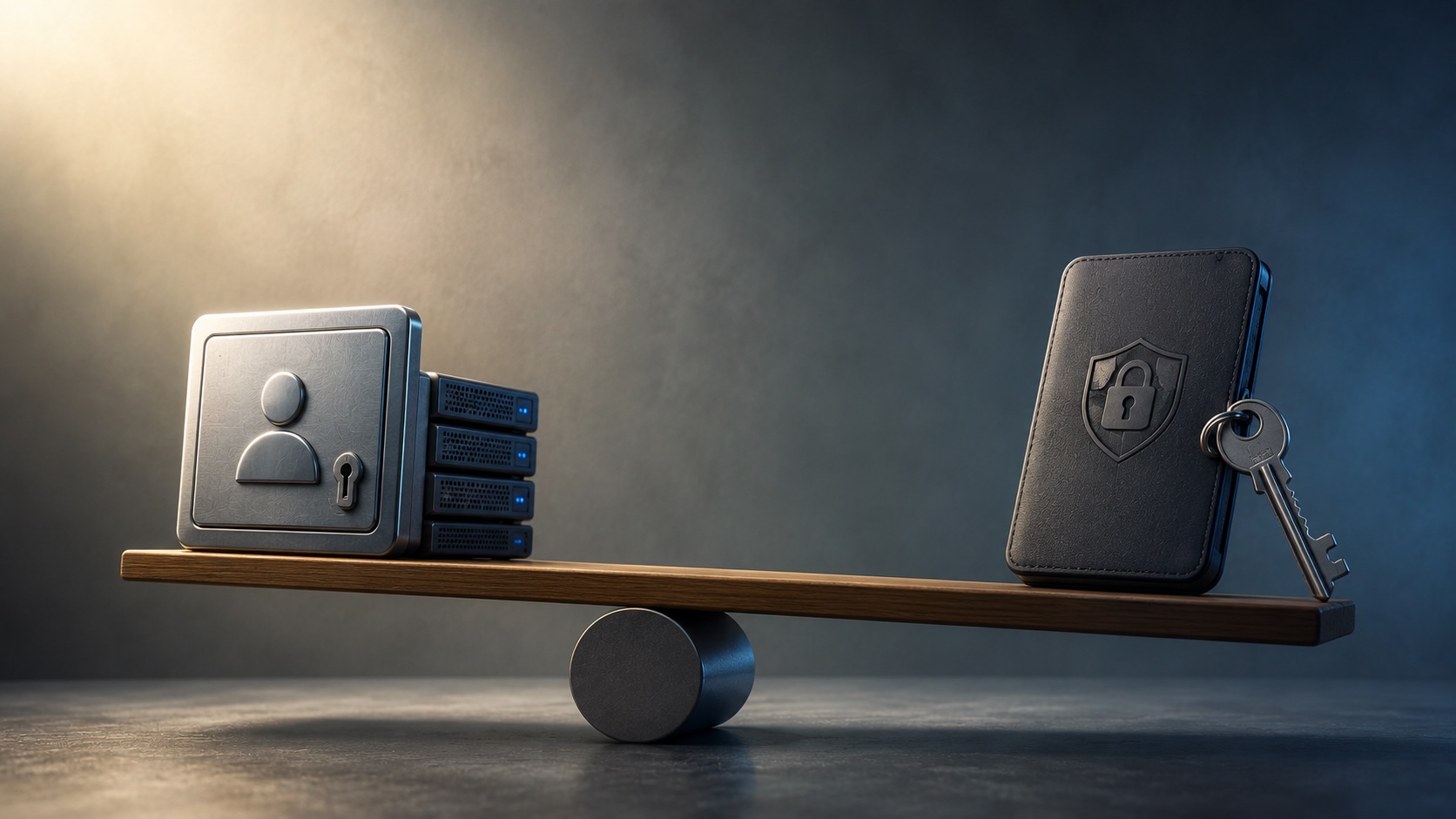
The main difference in a custodial wallet vs non custodial wallet comparison is control. With a custodial wallet, a third party manages the private keys. With a non-custodial wallet, the user controls the keys directly.
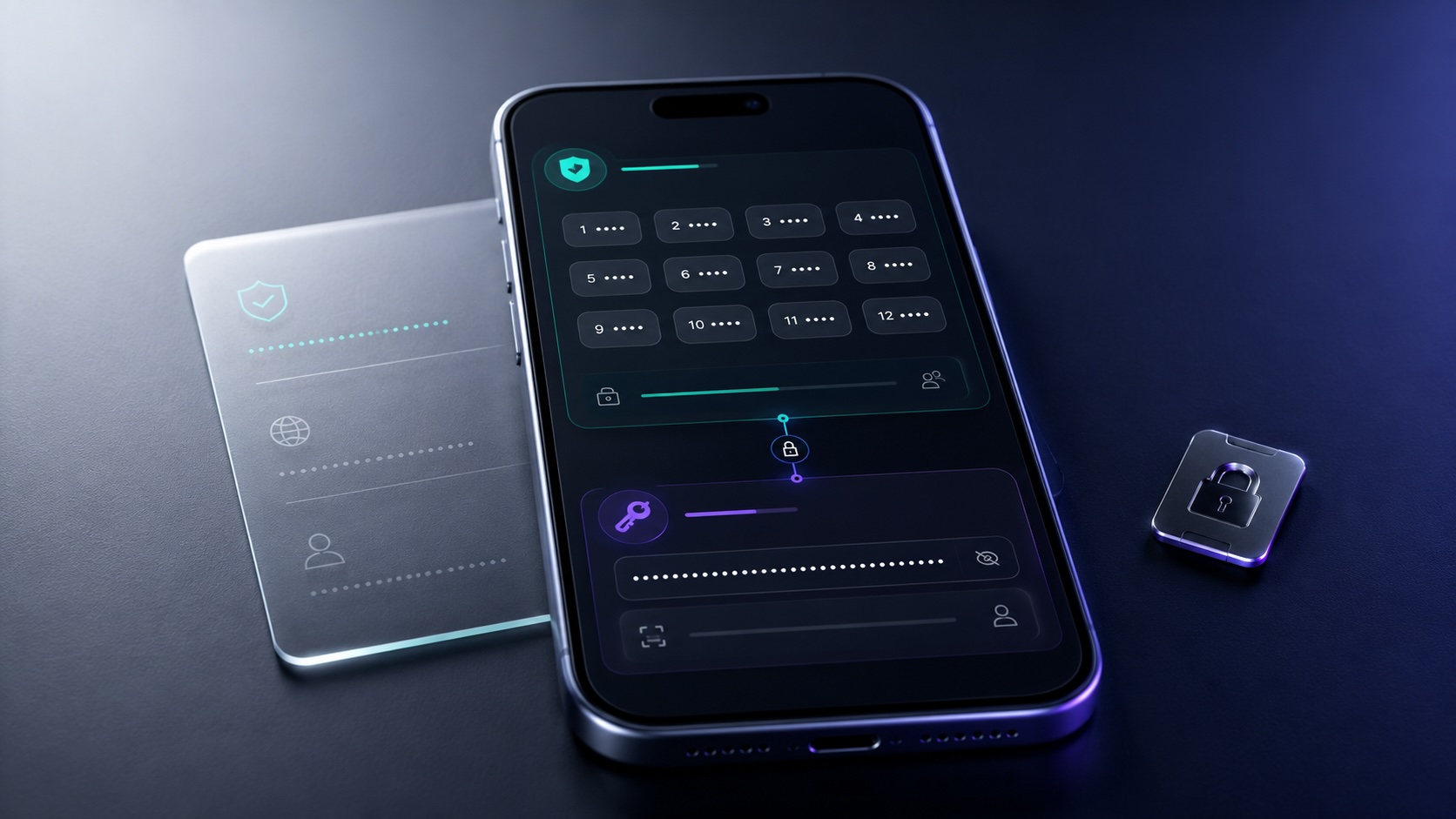
A custodial wallet usually feels more familiar to beginners. You create an account, set a password, enable two-factor authentication, and use the platform interface to buy, sell, send, or receive crypto. If you forget your password, the provider may help you restore access. This makes custodial wallets convenient, especially for users who want a simple onboarding experience.
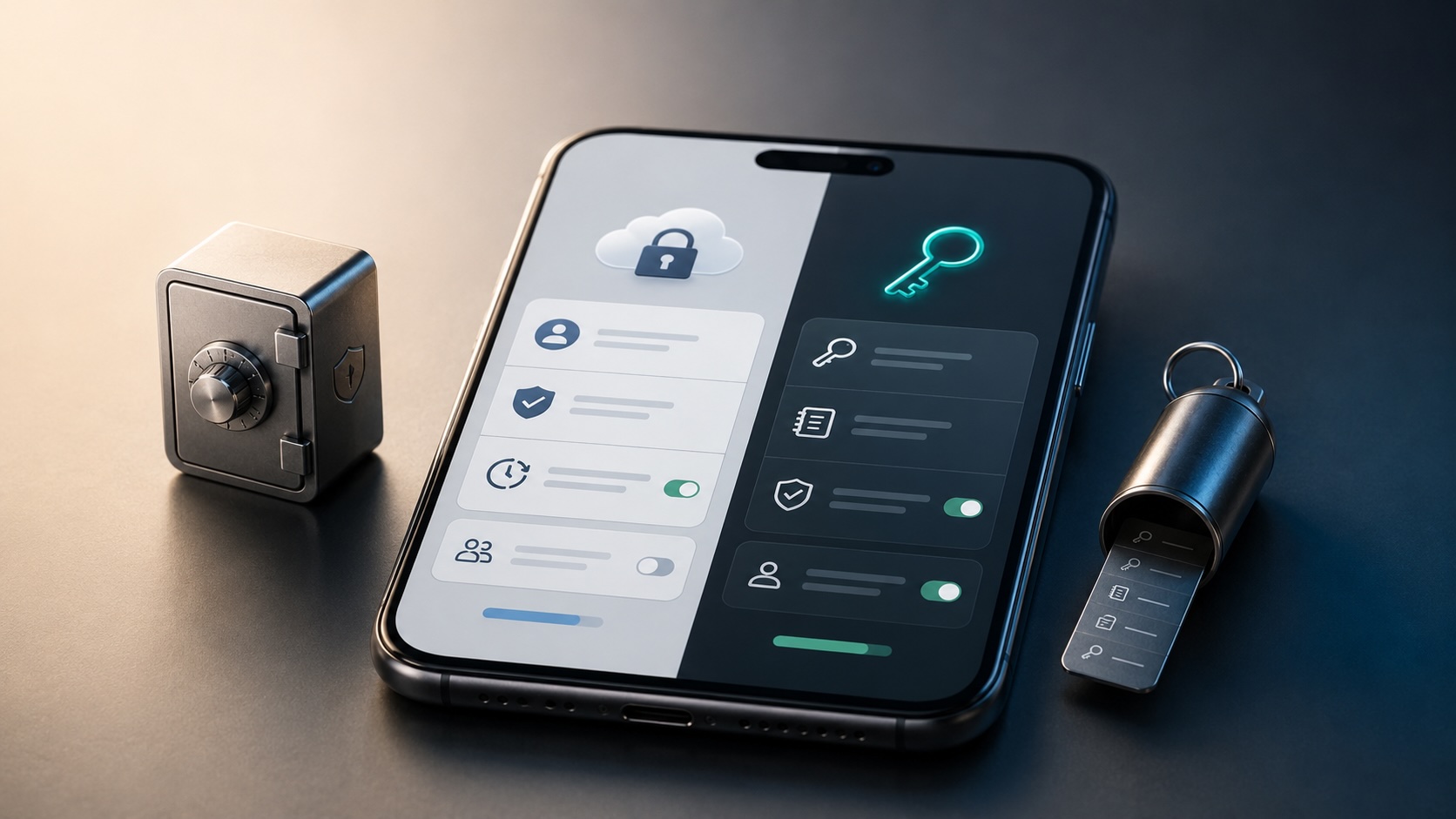
The tradeoff is that you must trust the provider. Since the company controls the private keys, your access may depend on its rules, security systems, financial stability, and withdrawal policies. A platform can freeze accounts, delay withdrawals, request identity checks, or become unavailable during technical issues. If the custodian fails, users may not have direct access to the funds stored under that provider’s control.
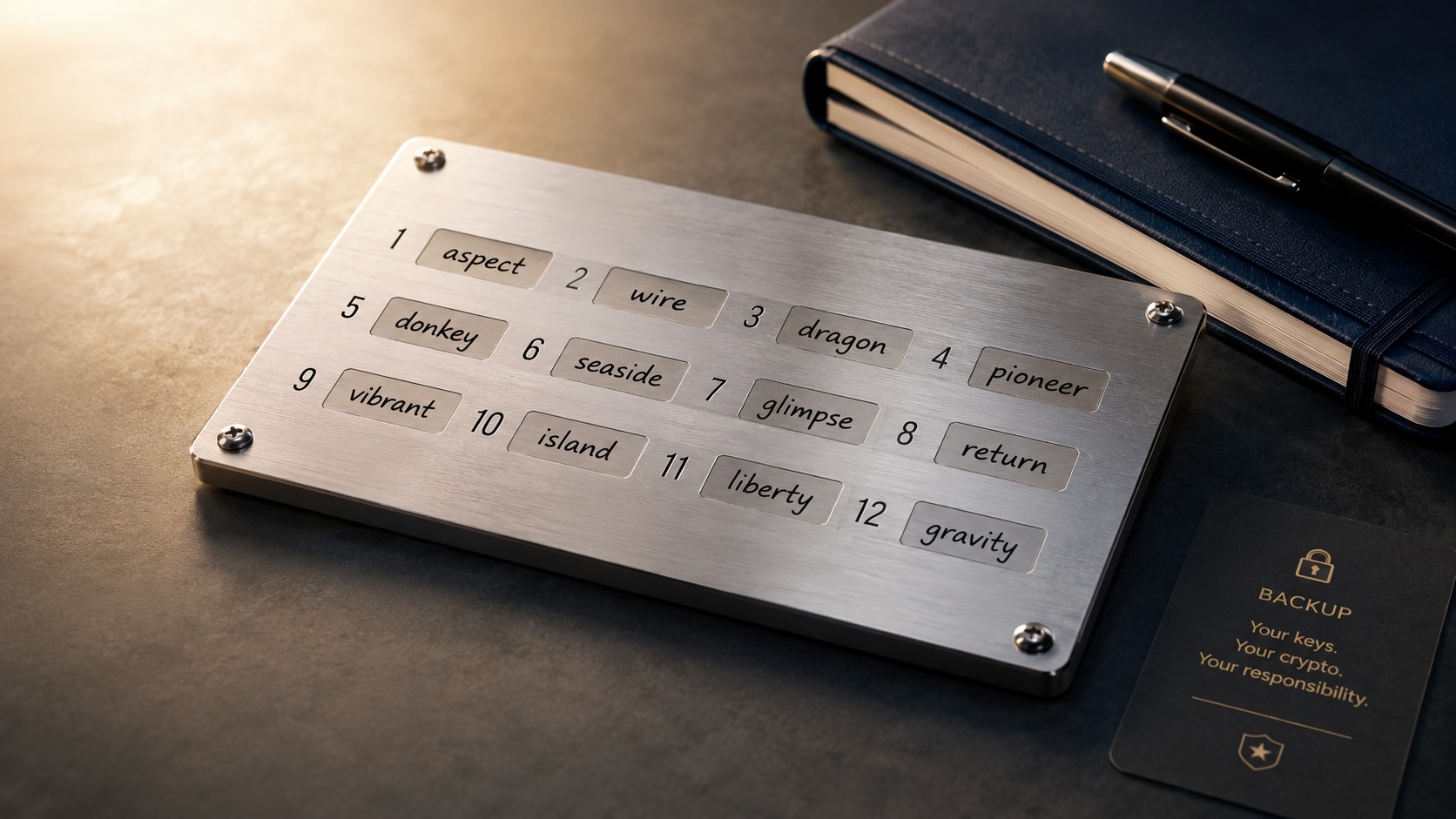
Non-custodial wallets work differently. They usually generate a seed phrase, which acts as the master backup for the wallet. The user must store this phrase safely. If the phone, browser extension, or hardware device is lost, the seed phrase can restore access. But if the seed phrase is lost, stolen, or exposed, there is usually no customer support team that can reverse the problem.
Security is therefore different in each model. Custodial wallets reduce user error in some areas because the provider manages infrastructure, account recovery, and platform-level security. However, they introduce counterparty risk because the user depends on the company. Non-custodial wallets remove that dependency but increase personal responsibility. A phishing link, fake app, malicious token approval, or poor backup habit can lead to permanent loss.
Recovery is another major point. Custodial wallets can often offer password resets, account verification, and support tickets. Non-custodial wallets cannot reset a seed phrase. This makes self-custody powerful but unforgiving.
In short, custodial wallets prioritize convenience and recovery. Non-custodial wallets prioritize independence and direct control.
Non-custodial vs custodial wallet by use case
The best way to compare a non custodial vs custodial wallet is to look at real use cases. Different activities require different levels of speed, access, flexibility, and responsibility.
For frequent trading, custodial wallets often work best. Centralized exchanges usually provide built-in order books, fiat deposits, quick swaps, portfolio dashboards, and fast internal transfers. A trader who buys and sells often may prefer keeping a smaller active balance on an exchange because it reduces the steps needed to move between assets. The drawback is that the funds are exposed to platform risk while they remain under custody.
For DeFi, non-custodial wallets are usually the standard choice. Decentralized exchanges, lending protocols, staking tools, and on-chain apps typically require users to connect a wallet and sign transactions directly. A custodial exchange account usually cannot interact with these protocols in the same flexible way. Non-custodial wallets make DeFi possible because the user controls approvals and on-chain actions.
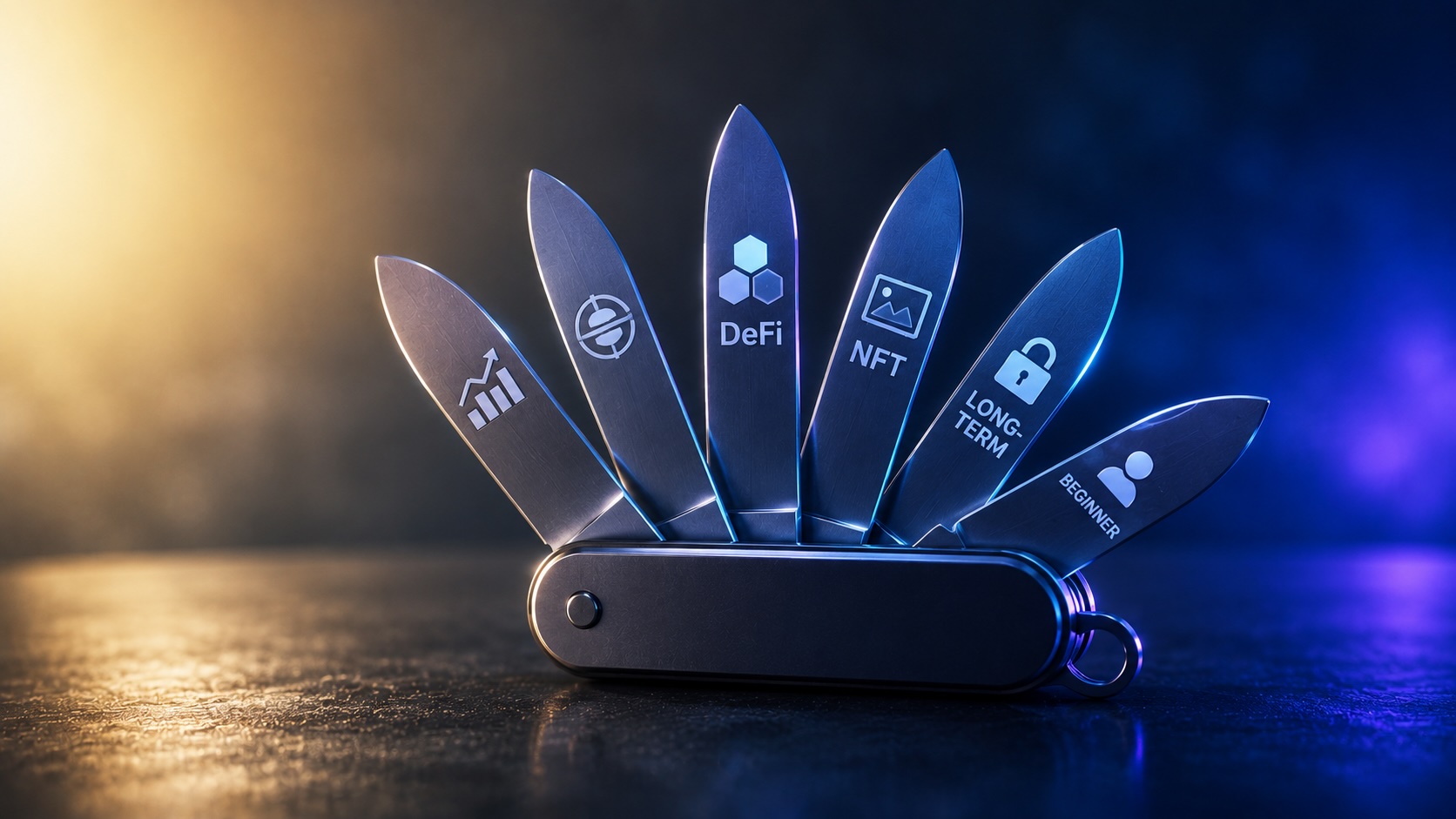
NFT users also tend to need non-custodial wallets. Buying, selling, minting, or storing NFTs often happens through blockchain marketplaces and smart contracts. A self-custody wallet allows the user to connect to these platforms and manage digital collectibles directly. However, NFT activity also creates risk because fake mint pages and malicious signature requests are common attack methods.
For long-term holding, non-custodial storage is often preferred by users who value control. If someone plans to hold assets for months or years without frequent trading, keeping those assets in a self-custody wallet can reduce dependence on an exchange. Many users go further and combine non-custodial control with a hardware wallet for stronger protection.
For beginners, custodial wallets may be easier at the start. They remove much of the technical complexity and provide account recovery options. A new user may feel more comfortable learning the basics through a regulated or well-known platform before managing a seed phrase independently. The downside is that beginners may mistakenly assume the crypto is fully under their control, even though the provider holds the keys.
For everyday payments and small balances, either model can work. Custodial wallets may be simpler for quick transfers inside a platform, while non-custodial wallets may be better for direct blockchain payments. The choice depends on whether the user values speed and simplicity or direct ownership.
A practical approach is to separate use cases. A user might keep a small amount in a custodial wallet for trading, buying, and selling, while storing long-term holdings in a non-custodial wallet. This reduces the risk of relying completely on one method.
Which one should you choose?
The answer to custodial vs non custodial wallet depends on your priorities. There is no universal best option for every user.
Choose a custodial wallet if convenience matters most. It may be the better option if you are new to crypto, want easy account recovery, trade often, use fiat deposits, or prefer a familiar app experience. Custodial wallets are also useful when you do not yet feel ready to secure a seed phrase. The main disadvantage is that you are trusting a third party with access to your assets.

Choose a non-custodial wallet if control matters most. It may be the better option if you want direct ownership, plan to use DeFi, collect NFTs, hold assets long term, or avoid depending on a centralized platform. The main disadvantage is that mistakes can be final. You must protect your seed phrase, verify websites carefully, understand transaction approvals, and avoid suspicious links or apps.
For many users, the strongest answer is not one or the other, but both. A hybrid setup can offer a practical balance. Use a custodial wallet for small active balances, exchange access, and quick trades. Use a non-custodial wallet for assets you want to control directly. This creates separation between everyday activity and long-term storage.
The key is to match the wallet to the job. Convenience is useful, but it comes with trust. Control is powerful, but it comes with responsibility. Once you understand that tradeoff, choosing between custodial and non-custodial wallets becomes much easier.
Articles by this author