Binance CSO on AI, oil contracts and crypto security
At Consensus 2026 in Miami Beach, Binance CSO Jimmy Su announced oil-price contracts, described AI use for security and faster coding, and warned of AI malware, poisoned ads and wrench attacks.
At Consensus 2026 in Miami Beach, Binance Chief Security Officer Jimmy Su outlined recent product additions, how the company is using artificial intelligence, and rising threats to crypto users. He described the changes as part of broader institutional adoption trends and product expansion.
Binance has added oil-price trading contracts to its platform. Su said the contracts expand the range of tradable instruments and attract traders who also use traditional finance products. He noted that tokenized stocks and commodity tokens are appearing alongside more conventional crypto offerings and that the company expects further tradfi-like listings in the months ahead.
On security, Su described how both attackers and defenders have adopted AI. He explained that attackers can now scale vulnerability discovery: tasks that once required several red team specialists can be accelerated by AI tools so a single operator can find flaws over a weekend. He warned that the time between finding an exploit and launching an attack has shortened.
Binance is applying AI to defensive operations as well. The company uses automated systems to combine telemetry from endpoints, networks and logs, reduce false positives and surface high-risk accounts for stepped-up verification. Su said the tools act like an additional member of a security operations center and help detect suspicious patterns faster than humans alone.
Su identified two recent threat trends. First, search results and ad placements have been poisoned to distribute malicious AI tools. Users clicking high-ranking links can install software that contains malware and takes credentials or private keys. He described cases where ads that appear at the top of search pages led to downloads that exposed account data.
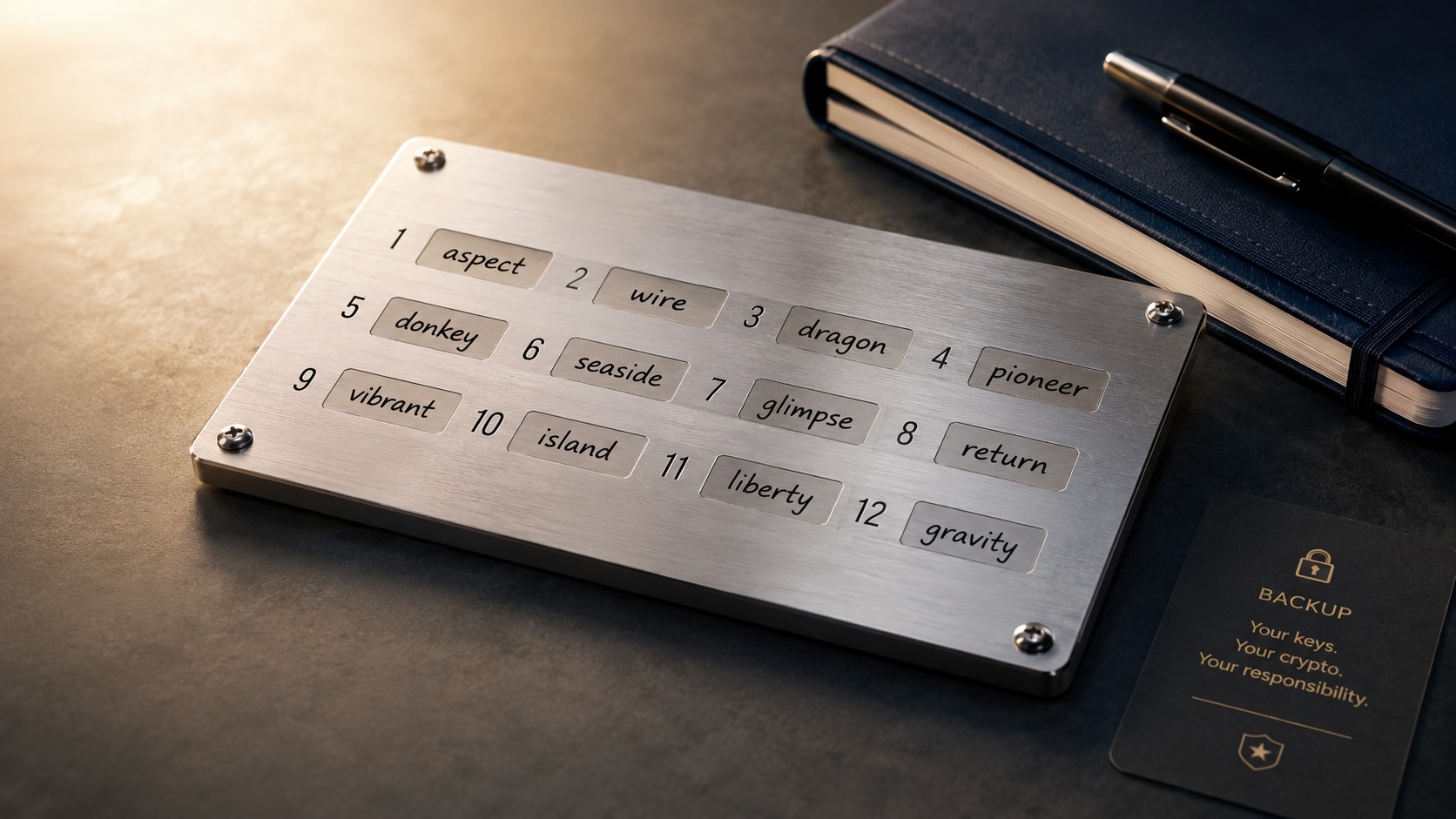
Second, he highlighted so-called wrench attacks, where individuals are forced to reveal keys or approve transfers under physical duress. To address irreversible crypto withdrawals, Binance launched a Withdrawal Protection feature that allows users to set a freeze period for outgoing transfers. The freeze gives users a window to respond if an unauthorized withdrawal is attempted.
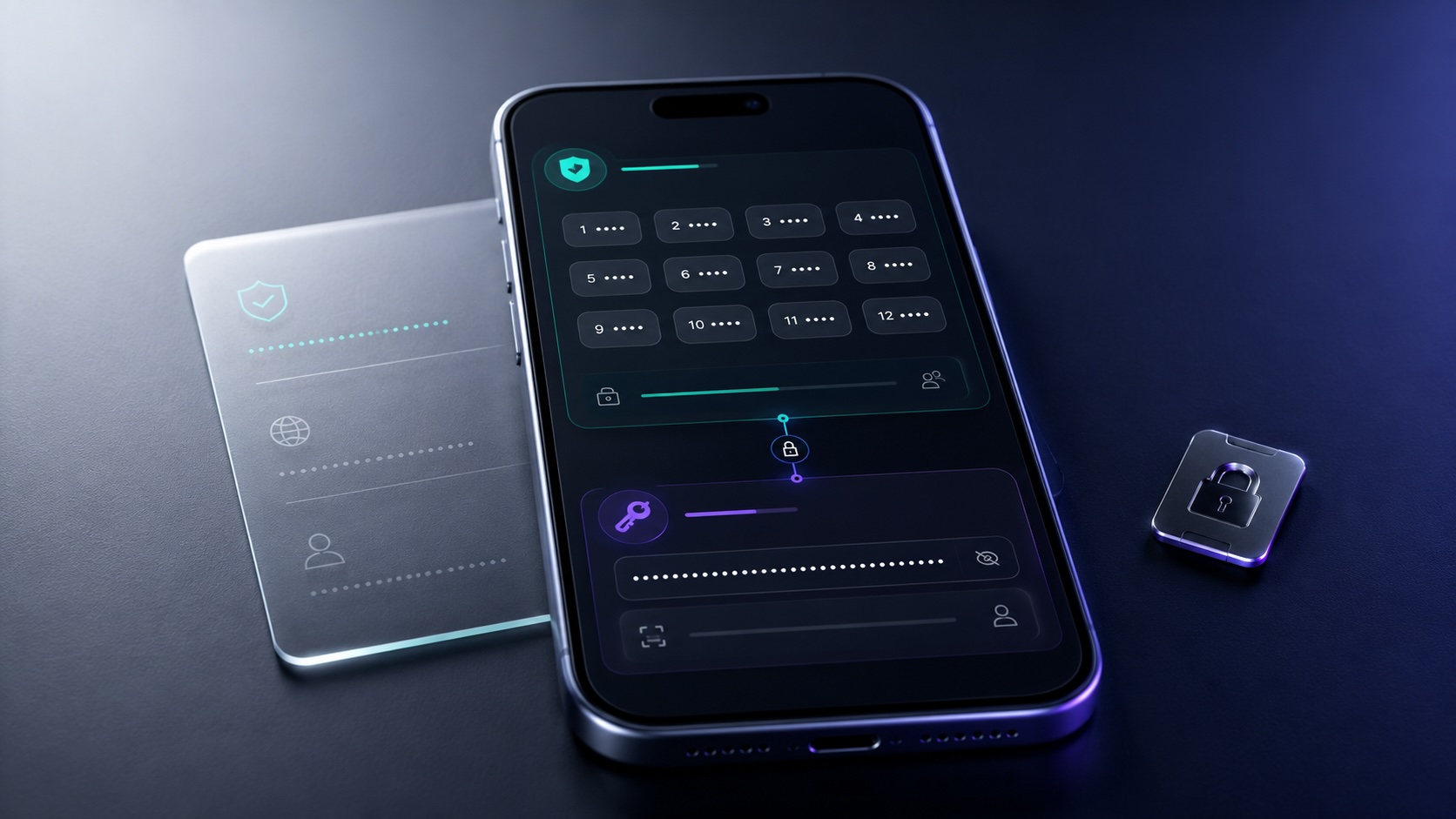
Su also discussed AI for user experience and development. Binance uses models that learn device context and habitual behavior to reduce friction for low-risk logins while requiring stronger checks for higher-risk activity, such as biometrics or face recognition. The company is also using cloud-based AI to speed code writing and testing and to simulate attack chains from discovery through remediation. He described that capability as extending AI beyond a productivity tool into a sophisticated red-team partner.
The announcements at Consensus reflect Binance’s continued product expansion and increased use of AI in security and engineering. The company plans additional tradfi-style products and further integration of AI to protect accounts and streamline operations for institutional and retail customers.
Articles by this author