
AI fuels crypto scams as exchanges fight back
AI is lowering costs for crypto scams while exchanges use AI to block attacks. Binance reports stopping 22.9M scam attempts and protecting $1.98B in Q1 2026.
AI is helping make cryptocurrency scams cheaper and more effective, and exchanges are using AI to block attacks. Binance reported that in the first quarter of 2026 it stopped 22.9 million scam attempts and protected about $1.98 billion in user funds.
Binance Research found AI tools exploit smart contracts about twice as efficiently as they detect vulnerabilities. Advanced models succeeded roughly 72.2% of the time. The report also noted attackers can target individual contracts for as little as $1.22 each, a 22% drop month-on-month.
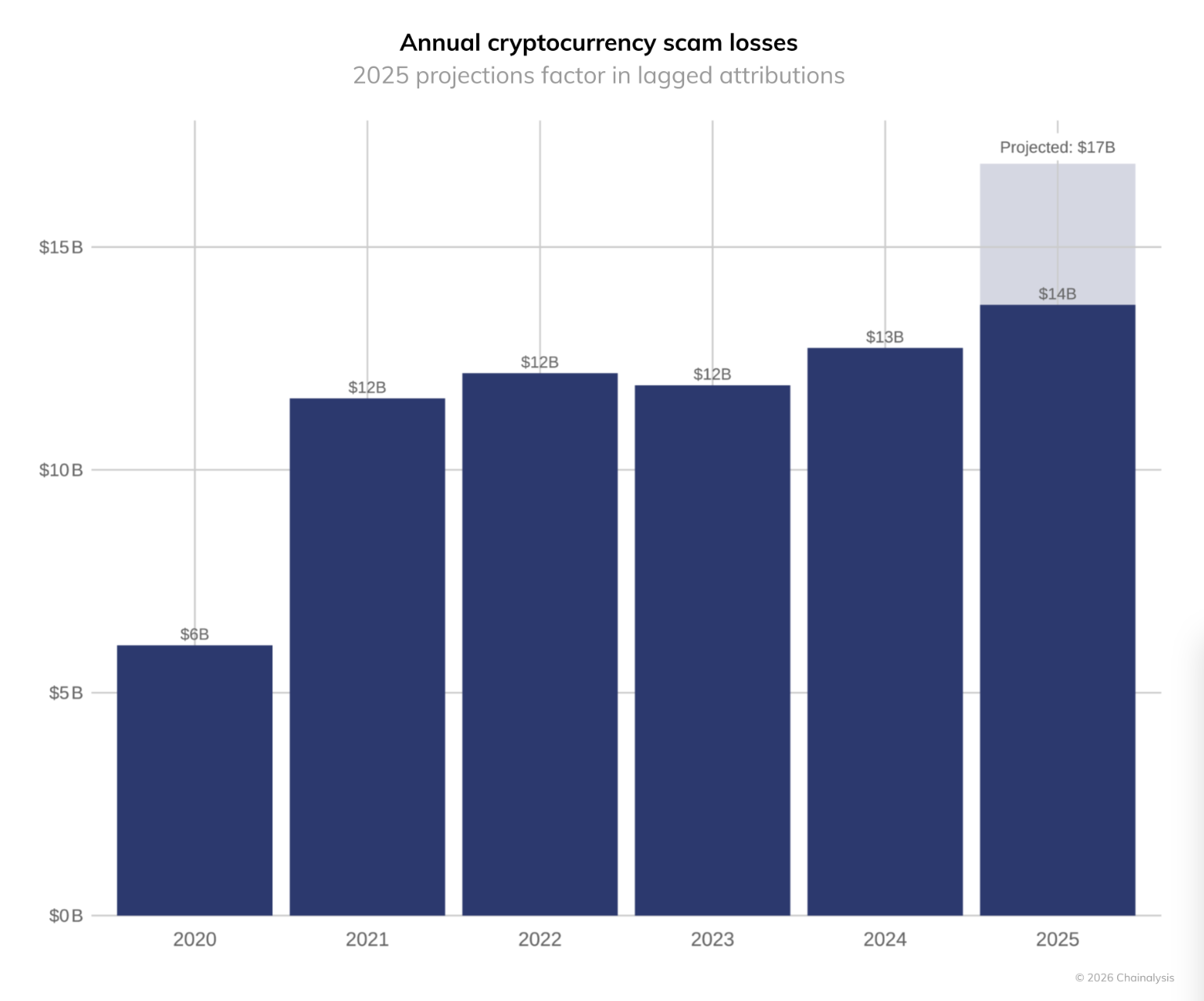
Chainalysis found scammers are using deepfakes, face-swap applications and large language models to run romance and investment scams. Its data showed AI-driven operations averaged about $3.2 million in takings per operation, roughly 4.5 times the average for older crypto scams. Chainalysis reported that 76% of AI-driven scams fell into the highest quartile for both scale and severity, and that crypto-related fraud totaled about $17 billion in 2025, up 30% year over year.
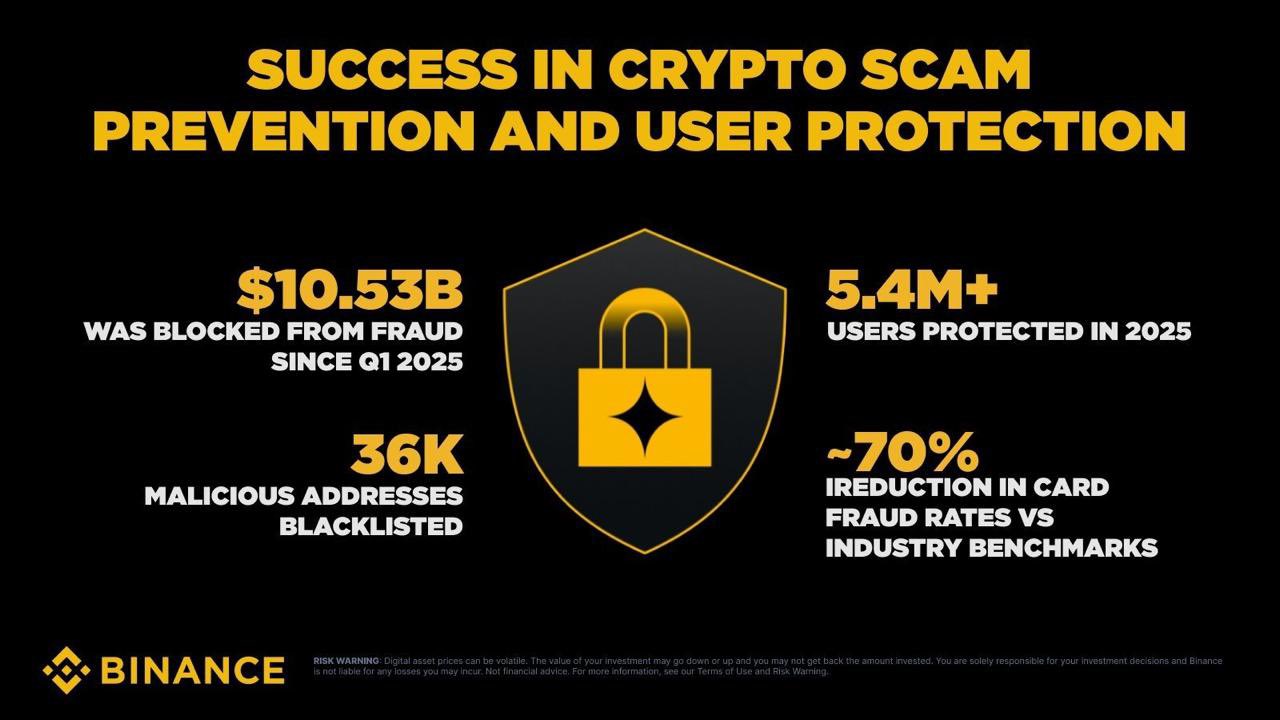
Exchanges are deploying large numbers of models to counter these threats. Binance reported it has rolled out more than 100 AI models and launched 24 dedicated fraud-prevention initiatives. From the start of 2025 through the end of Q1 2026, the company reported preventing $10.53 billion in losses for more than 5.4 million users.
Operational measures include blacklisting addresses and delivering real-time warnings. Binance reported more than 36,000 malicious addresses were blacklisted and that it issued over 9,600 real-time warnings to users each day in Q1 2026. The company added that AI-driven decisioning now handles 57% of its fraud controls and has helped reduce card fraud rates by 60% to 70% relative to industry benchmarks.
Security specialists say lower costs and easier tools allow attackers to run higher-volume campaigns and use AI-generated content to make messages more convincing. Automated defenses scale monitoring across millions of transactions, flag suspicious patterns and block phishing or impersonation campaigns faster than manual review.
Binance Research wrote, “The barrier to entry for scam perpetrators is falling fast, with AI accelerating the drop. What once required technical expertise can now be executed for next to nothing and at scale.”
Both attackers and defenders are increasing use of generative models, model-based monitoring, address blacklisting and real-time alerting across crypto platforms.
Articles by this author









