YouTube asks creators for selfie video and ID to curb deepfakes
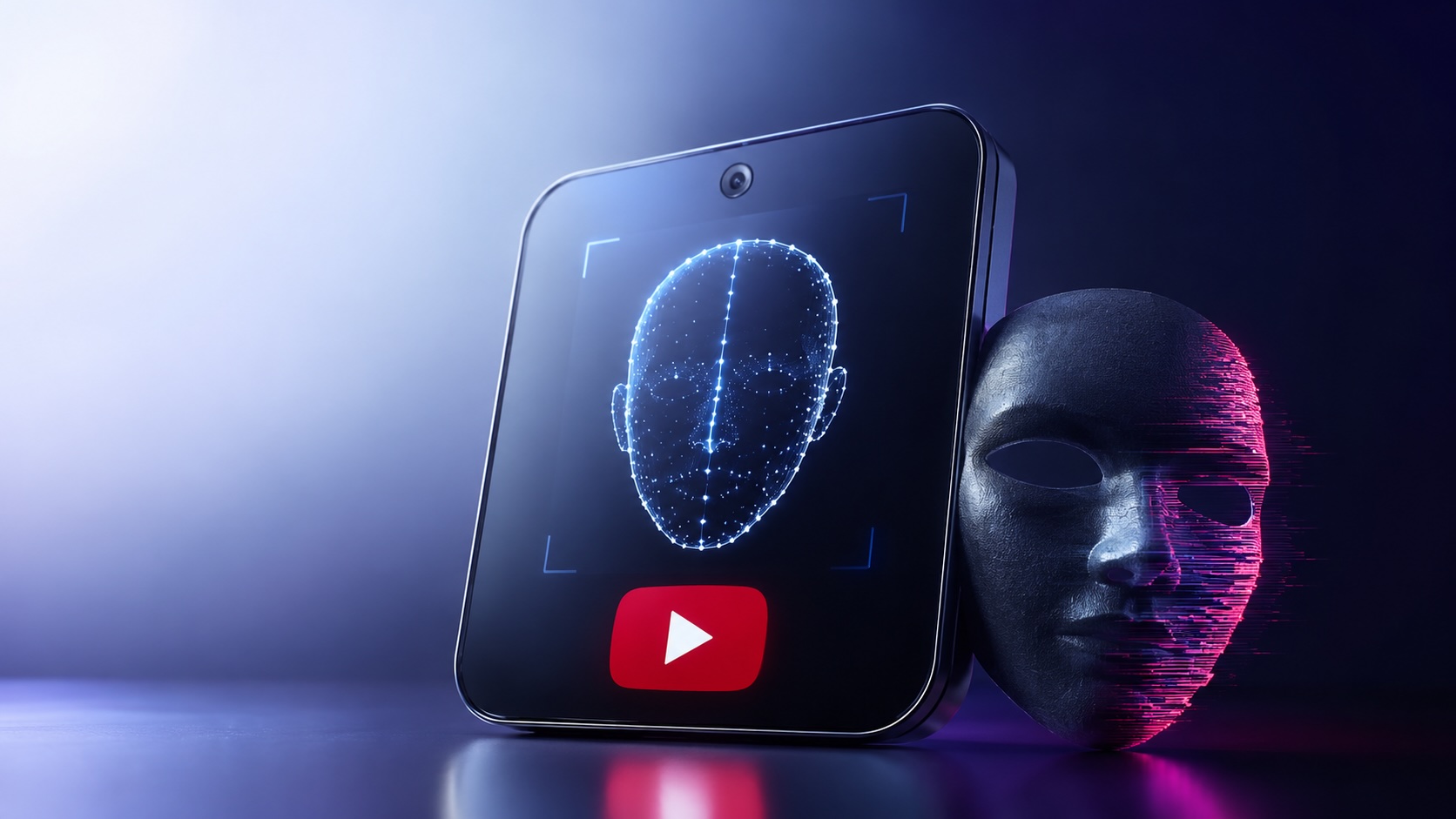
Creators 18+ can upload a selfie video and government ID to enroll in YouTube’s Likeness Detection system so the platform can find and remove unauthorized deepfakes using their face.
YouTube is offering creators aged 18 and older the option to upload a selfie video and a government-issued ID to enroll in its Likeness Detection system. The platform will create matching templates and use AI tools to search for videos that use an enrolled person’s likeness, and provide options to request removals for content that appears unauthorized.
YouTube first proposed the Likeness Detection program in September 2024 and has expanded it in stages. The company widened eligibility in October, began a partnership with Creative Artists Agency in December to protect sports and entertainment figures, extended coverage in March to include politicians and journalists, and recently offered the service to Hollywood actors without requiring a YouTube account. The current update lets any adult with a selfie and ID sign up, though YouTube says the feature has not reached all users yet.
When a creator enrolls, YouTube generates face and voice templates tied to the submitted files. The company says detection is focused on facial likenesses; identifying AI-generated voice clones would require separate safeguards. Enrolled users can request removals when the system finds content that matches their template.
YouTube’s help page states: “When you sign up for Likeness detection, you also have the option to allow YouTube to use your face and voice templates to develop and improve likeness detection models. This helps us build better, more accurate likeness detection technologies.” The page adds that participants may opt out of having their data used for model development at any time.
Privacy advocates have raised concerns about handing biometric data to a major platform, warning that such practices could set precedents for future data collection. Some creators have expressed discomfort with the ID requirement. One commenter wrote, “I was 100% on board, up until the ID upload. That makes me very uncomfortable.” Another wrote that better enforcement of takedown requests would affect their view of the program.
YouTube supports federal efforts aimed at addressing deepfakes. A law passed last year, TAKE IT DOWN, targets nonconsensual intimate imagery. A broader bill known as NO FAKES, which has not become law, would grant wider federal rights over personal images to counter fabricated content such as fake endorsements or political deepfakes.
Researchers note the technical barrier for simple likeness manipulations has fallen. Google’s DeepMind team reported that most generative-AI misuse consists of relatively unsophisticated manipulations performed with basic tools. YouTube’s system is intended to detect and remove videos that match enrolled templates, but the company says it does not address every form of misuse and does not replace legal or other platform takedown processes.
YouTube says the rollout will continue by category and geography and advises eligible users to review enrollment terms and privacy options before submitting biometric data.
Tags
Articles by this author