U.S. Freezes Nearly $500M in Iran-Linked Crypto
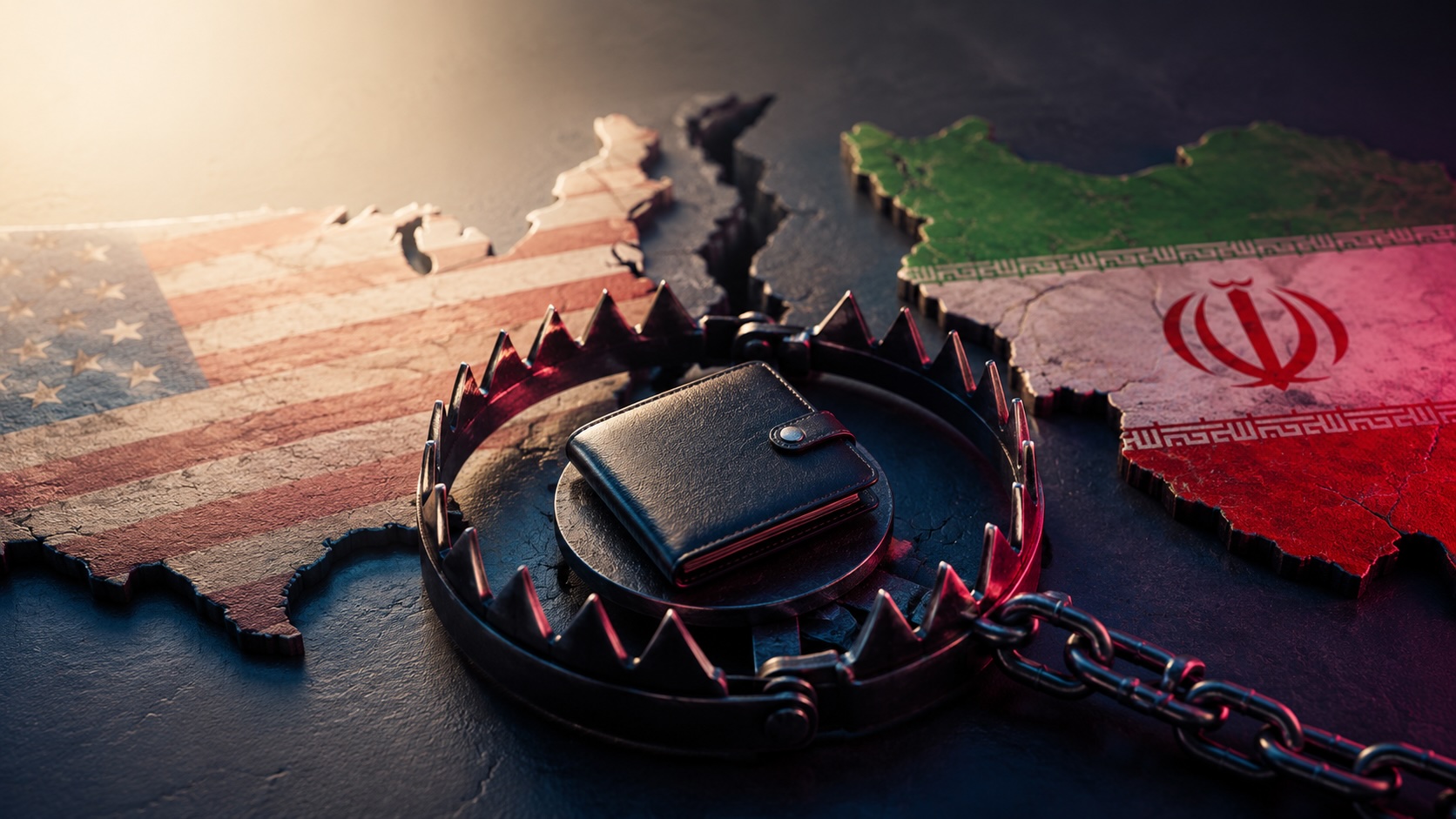
U.S. Treasury froze nearly $500 million in Iran-linked digital assets under Operation Economic Fury, including a $344 million USDT seizure on the Tron network.
The U.S. Treasury has frozen nearly $500 million in digital assets linked to Iran as part of Operation Economic Fury. Treasury Secretary Scott Bessent disclosed the total last week, noting the $344 million USDT seizure on the Tron network occurred in the prior month and was coordinated with the stablecoin issuer.
Officials describe the campaign as an effort to disrupt financing channels used by Iran’s government, the Islamic Revolutionary Guard Corps and regional proxy networks. The measures target wallets and exchanges connected to transfers of oil revenue and support for militant proxies.
The largest single action to date was the USDT freeze on the Tron blockchain. Earlier steps targeted U.K.-based exchanges that the Treasury identified as handling IRGC-related flows.
Blockchain analytics firms estimate Iran holds about $7.7 billion in digital assets, placing it among the largest sovereign crypto holders tracked by industry monitors.
U.S. authorities assert that on-chain transaction records help investigators map wallet activity and trace links to Iran’s central bank and security forces. Chris Perkins, chief executive of 250 Digital Asset Management, noted investigators often find crypto transactions leave a clear trail: “We found over and over again that they’re actually a much better asset for U.S. law enforcement and other agencies to track because you leave a lot of breadcrumbs.”
Iran has increased use of Bitcoin to move money outside the traditional banking system. The government launched a state-backed maritime insurance platform called Hormuz Safe that settles cargo policies in Bitcoin for vessels transiting the Strait of Hormuz.
At the time of reporting, Bitcoin traded near $77,355 with limited movement over 24 hours.
Treasury officials have signaled possible additional pressure on exchange operators that continue to process Iran-linked flows, including threats to restrict their access to U.S. banking. Industry sources say the coming weeks will show whether enforcement expands to exchanges and other financial intermediaries.
Operation Economic Fury combines sanctions and digital-asset enforcement through international coordination and partnerships with private platforms to freeze wallets and block channels used to move sanctioned funds. Officials and analysts will monitor how Tehran adapts its crypto practices and whether further seizures or regulatory actions follow.
Tags
Articles by this author