SaaS consolidation forces channel partners into estate advisers

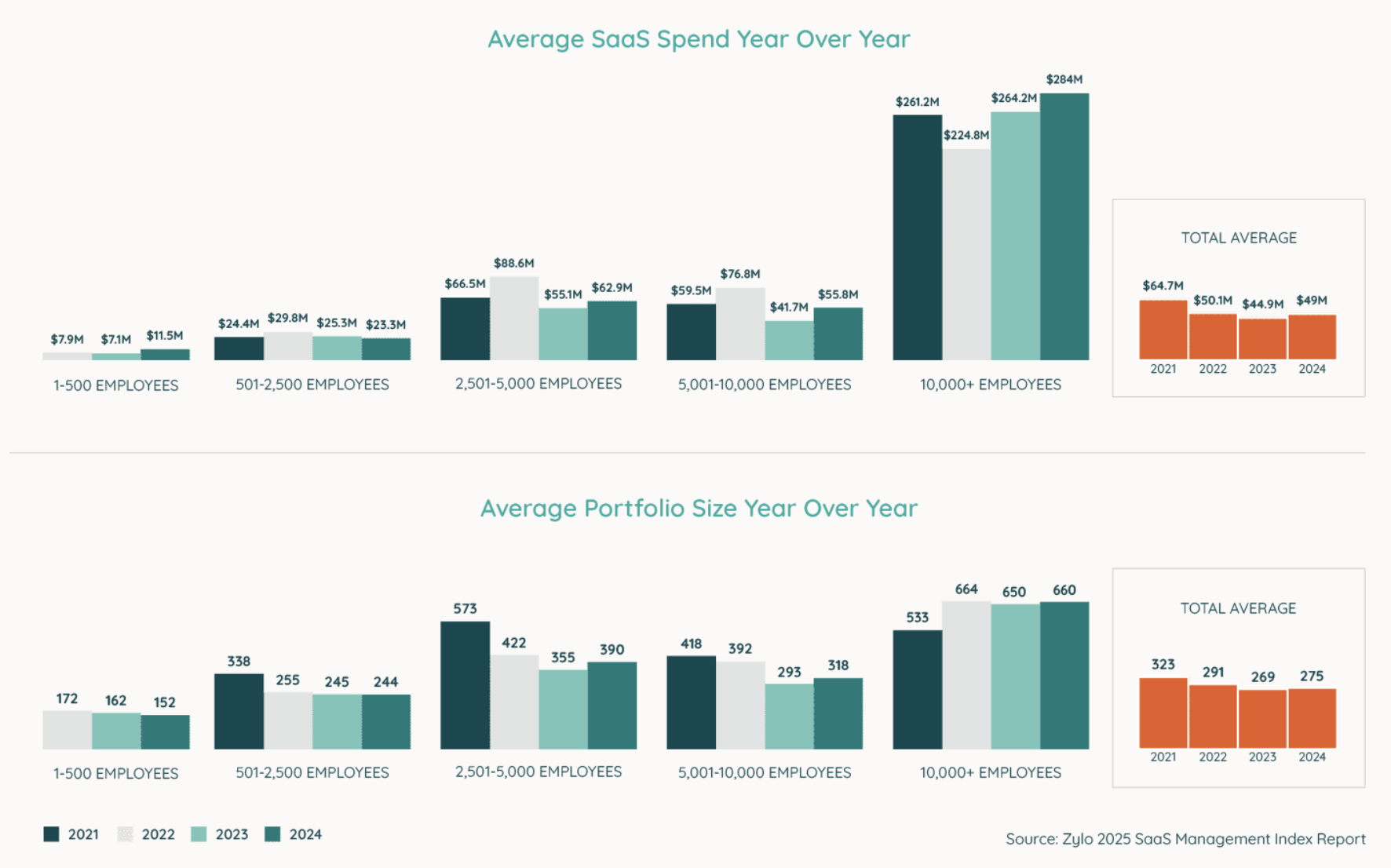
Enterprises average 660 SaaS apps and $284 million in annual spend and are cutting suppliers; channel partners must audit and rationalize subscriptions as buyers shift to cloud marketplaces.
Enterprises are managing an average of 660 SaaS applications and about $284 million in annual software spend, according to Zylo’s 2025 SaaS Management Index. The study found 52.7% of subscriptions inactive. Procurement teams are moving to reduce supplier counts and standardize vendors ahead of renewals.
Buyers are increasingly purchasing third-party software through hyperscaler marketplaces operated by AWS, Google Cloud and Microsoft to consolidate billing, apply existing cloud commitments and bypass new purchase orders.
Research from Omdia in February 2026 showed enterprise spending on those marketplaces reached $45.5 billion in 2025 and is forecast to grow to $163.1 billion by 2030. According to Alastair Edwards, chief analyst at Omdia, “Hyperscaler marketplaces continue to see rapid momentum as a route to market for vendors across the technology industry.” Omdia projects nearly 60% of marketplace transactions will be channel-enabled by 2030.
Forrester’s 2026 budget planning analysis found software accounts for more than 40% of cybersecurity spending, surpassing hardware, outsourcing and internal personnel costs. Forrester analysts reported that sprawl has created redundant capabilities across security and detection-and-response portfolios, and that procurement teams are targeting overlapping tools during cost-cutting and renewal cycles.
Hyperscaler marketplaces offer multiparty private offers that can include partners, but vendor consolidation and marketplace routing are shifting how enterprises buy. Value-added resellers, distributors, niche specialists and managed service providers that rely on supplying specific accounts face changing commercial dynamics when buyers reduce their supplier lists and standardize on broader platforms.
Some channel firms are now conducting subscription audits across customers’ estates. These reviews map overlapping services, expose shadow IT and benchmark actual usage against business requirements. Independent advisers perform line-by-line contract and subscription reviews to identify candidates for retirement and recommend consolidation onto integrated platforms.
An IDC study commissioned by Sage of more than 2,000 resellers observed that high-performing partners focus on measurable optimization and services-led models rather than higher volumes of tool sales. The study reported that documented savings and reduced complexity were factors that helped partners engage C-suite decision makers.
Analyst research indicates vendor consolidation can reduce IT overhead by lowering the number of tools teams must support, simplifying vendor management and freeing internal staff for other tasks. As marketplaces capture more of the transaction layer, a larger share of enterprise software purchasing is occurring through those platforms.
Tags
Articles by this author