Draper: Quantum will break banks before Bitcoin
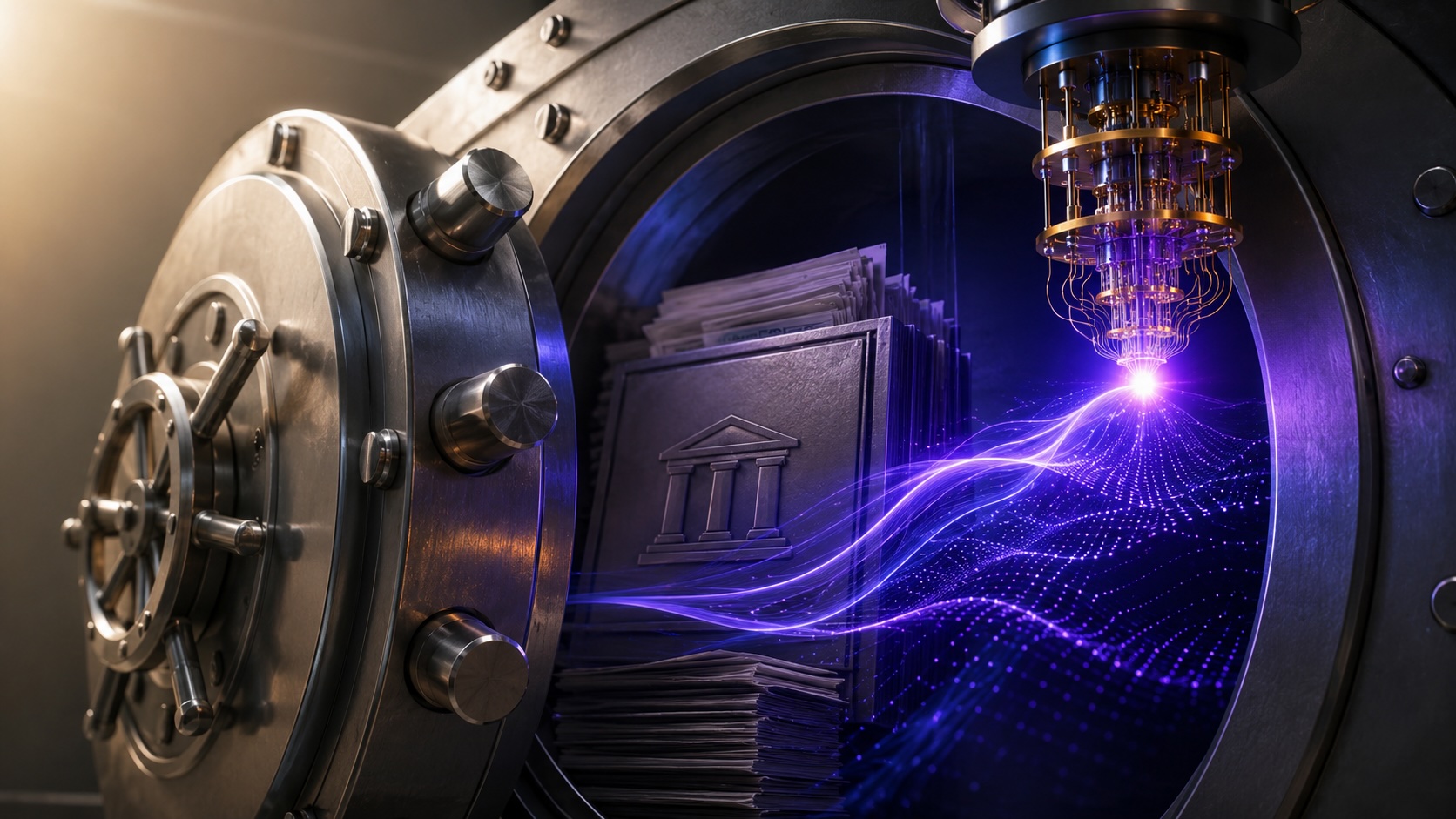
Tim Draper wrote quantum computers will crack banks before they threaten Bitcoin, citing banks’ archived encrypted records versus Bitcoin’s public, non-secret ledger.
In a post on X on June 9, 2026, venture capitalist Tim Draper wrote, “Bitcoin is more secure than the dollars sitting in your bank account. Quantum will crack the banks long before it touches the blockchain.” He pointed to banks’ legacy systems and large encrypted archives as the main vulnerabilities.
Security researchers describe the threat Draper referenced as “harvest now, decrypt later.” Under that scenario, an adversary captures and stores encrypted bank data today — such as transaction logs, customer files and institutional messages — and waits until quantum hardware can break the public-key encryption protecting those files. When the necessary quantum capability arrives, archived files could be decrypted and read.
Bitcoin’s ledger does not present the same exposure to that exact strategy because transactions, addresses and balances are already public. There is no large encrypted archive of past private transaction records to capture and later decrypt.
Bitcoin does have a separate quantum-related risk tied to its signature scheme. The protocol uses ECDSA to authorize transactions. Any address that has previously spent coins reveals its public key on-chain. A quantum computer running Shor’s algorithm could, in theory, derive a private key from an exposed public key and then spend from that address.
Bitcoin’s mining security relies on SHA-256. Analysts say breaking SHA-256 would require vastly larger energy and hardware resources than current or near-term quantum systems can provide, making it effectively secure for decades.
A community-developed response targets the signature risk. BIP-360 proposes ML-DSA, a post-quantum signature scheme aligned with standards approved by the U.S. National Institute of Standards and Technology. Implementations of BIP-360 have been demonstrated on Bitcoin testnet, and the protocol can be changed through a governance process in which node operators vote on upgrades.
Banks do not have an equivalent decentralized upgrade path. They operate under regulatory and national-security rules. The U.S. National Security Agency’s Commercial National Security Algorithm Suite 2.0 requires national security systems to be quantum-safe by January 2027, creating a deadline for affected systems. Financial institutions face operational work to migrate large legacy systems and long-term encrypted archives to quantum-resistant algorithms.
Market activity reflects investor interest in quantum-resistant projects. In May 2026, tokens that emphasize post-quantum cryptography rose by roughly 60% for the month compared with Bitcoin, while the broader crypto market declined.
Researchers note that the exact timing of practical quantum attacks is uncertain, but that encrypted data collection is already occurring. For banks, archived encrypted records could become readable in the future. For Bitcoin users, the immediate cryptographic concern is private keys exposed by spent addresses, a problem the developer community and proposed standards aim to address before any widespread quantum-capable attack appears.
Tags
Articles by this author