Companies misapply WCAG, overlays face FTC fines
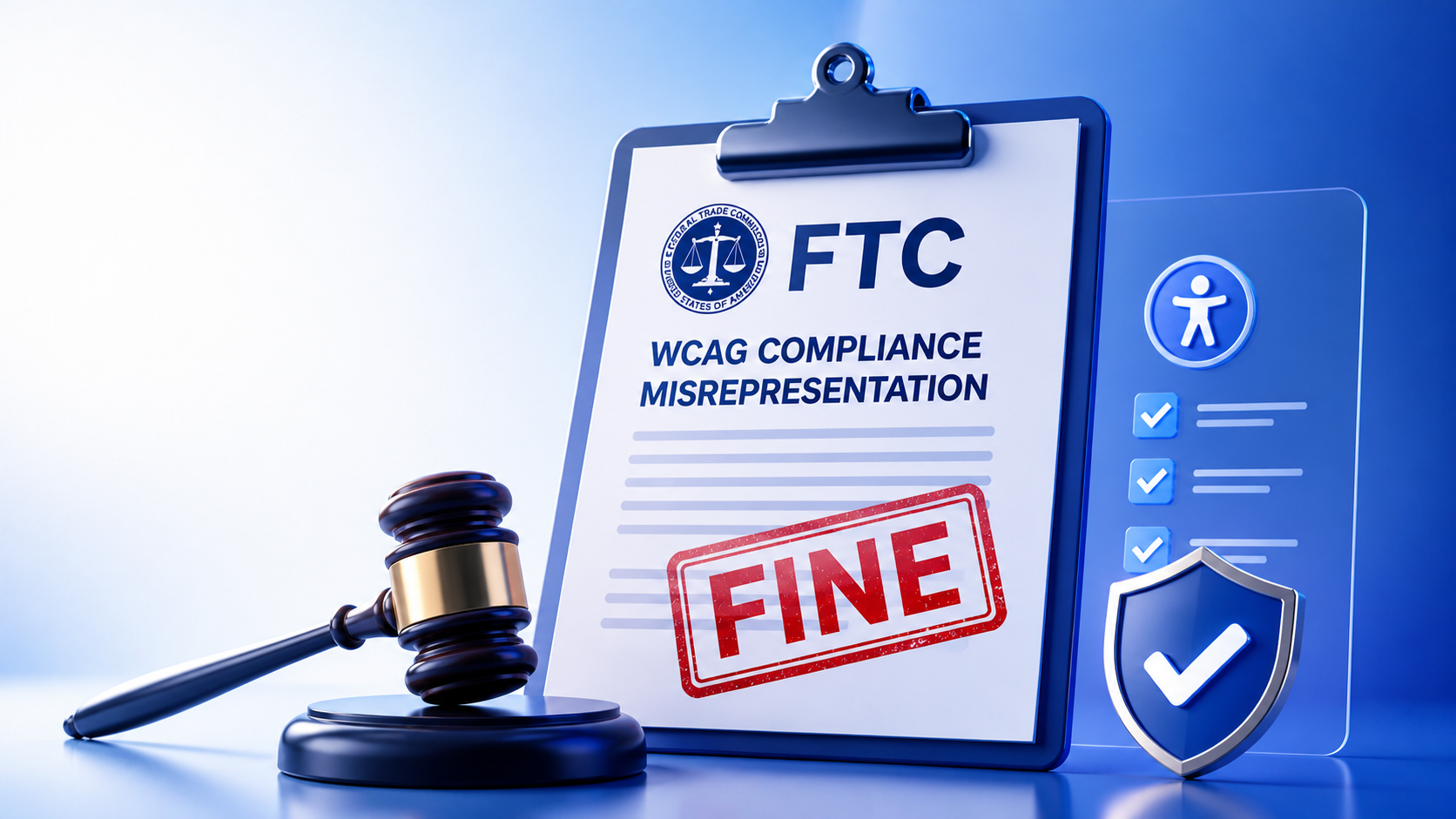
Companies often misapply WCAG 2.2, leaving many sites less accessible. Some vendors of accessibility overlays have been fined by the FTC for false advertising.
The Web Content Accessibility Guidelines, published by the World Wide Web Consortium’s Web Accessibility Initiative and now at version 2.2, set technical standards to make online content usable for people with disabilities. The guidelines define levels A, AA and AAA and cover items such as color contrast ratios, keyboard navigation and screen reader compatibility.
Companies frequently treat WCAG as a checklist instead of integrating accessibility into product design and workflows. That approach leaves websites, documents and learning platforms less accessible than they could be.
Accessibility overlays, tools that promise quick fixes by adding scripts to a site, have become a common option for firms seeking fast results. The Federal Trade Commission has imposed fines on some overlay vendors for making misleading claims about what their products can achieve.
Developers and accessibility specialists report growing awareness of accessibility but limited resources to act. Eric Portis, developer experience engineer at Cloudinary, noted that more front-end engineers care about accessibility while also facing constraints from tight budgets and competing priorities.
Responsibility for implementing accessibility often lacks clarity inside organizations. Britne Jenke, founder of Inclusive Pixelation, observed that teams sometimes assume diversity and inclusion groups or developers will handle WCAG, which can leave tasks unassigned. She recommended that staff start by using accessible templates, correct heading structure and color palettes that meet contrast standards.
Business incentives affect how teams prioritize accessibility. Sanjay Sarathy, vice president at Cloudinary, stated that product groups tend to respond to explicit customer requests and may not prioritize accessibility unless customers ask for it. He described the ability to advise customers about WCAG compatibility as a sign that a company has embedded accessibility into its operations.
Measuring accessibility at scale presents challenges. Large audits can flag a site as failing parts of WCAG if specific elements are missing, and summary reports can miss the different needs of individual users. Accessibility issues are often specific to how a single person interacts with a site, which can make broad statistics misleading.
Advocates and specialists recommend incremental, practical steps that teams can apply without waiting for senior approval, such as using accessible templates and meeting contrast requirements. They also caution against relying solely on automated tools or overlays to meet WCAG requirements.
Because WCAG is used in technical, legal and commercial contexts, a market of services and tools has grown around accessibility. Some of those services have faced regulatory action for overstating their effectiveness, and industry practitioners say clearer assignment of responsibility and better training for product and engineering teams are needed for wider implementation.
Tags
Articles by this author